
Christian's Investment Journey
- Episode
- 59
- Published
- Duration
- 33 min
- Host
- Christian Nossum
- Topics
- Market Updates
Something in this episode hit home? Book a free strategy session →
Not sure where to begin?
Start with our curated buyers and investors playlists for the episodes that make the most sense first.
View our “Start Here” PlaylistsShow notes
This week on Awesome in Seattle, our very own Christian Nossum is joined by special guest Shannon Nossum to talk about their real estate investment journey. From purchasing and moving around the city as a young couple to taking advantage of investment opportunities in their current family home, Christian and Shannon hold nothing back, sharing their tips, tricks, and best advice for anyone looking to get into investing in real estate. If this is something you're interested in, check out episode #51: Becoming a Landlord, and/or reach out to the Awesome Nossum Group at Wilson Realty at AwesomeNossum.com
Read full transcript
Christian: [0:01] Hello, hello, and welcome to another edition of the Awesome in Seattle podcast. This is your host, Christian Nossum, of the Awesome Nossum Group here at Wilson Realty Exchange, Inc. Today, I'm gonna be sharing my personal real estate investment journey with you. From buying my first property at the ripe old age of 22 up until now, I'm really gonna go over how I got started and what I've learned along the way, and I've… Honestly, I've been a little hesitant about making this episode because it makes me a little uncomfortable. Um, I don't really love tooting my own horn. But, uh, we recently posted about our latest investment property on the social medias, and we got a lot of, uh, different responses from people, a lot of questions about investing in real estate, managing investment properties, but there were also some people congratulating us on our very first investment property, which made me chuckle, but also made me realize that I haven't done a good job of explaining all that I've done. So that's when I realized that maybe we need to give a quick overview of all the lessons that I've learned, the pros and cons, and struggles that we've been through over the last 16 years of investing in real estate. So, yes, I have a very special guest with me to help discuss my investment journey because this hasn't been my journey alone. It's been our journey, and I have my lovely wife, Shannon Nossum, with me.
Shannon: [1:25] Hello. I… Is this my first podcast episode? I
Christian: [1:30] think it- I think it is … I think it might be We've done Instagram Lives- Yeah … but we've never done a podcast together.
Shannon: [1:35] Yay.
Christian: [1:36] Woo-hoo.
Shannon: [1:36] I'm finally here. He finally let me come on, guys.
Christian: [1:41] So let's, let's kinda start at the beginning. Um, my desire to invest in real estate, uh, really honestly started super early on. I was a weird kid. I would spend my paper route money and lawn mowing- Yeah … money on buying real estate, how to buy a house with no money down, real estate courses, and infomercial
Shannon: [2:04] products. That's totally normal. Yeah. Everyone does that.
Christian: [2:06] When they're 10, 11, 12 years old. And that's the kinda stuff I was doing, so I was a little odd in that regard. And so I've always wanted to be in real estate investing in some way, shape, or form.
Shannon: [2:18] Mm-hmm.
Christian: [2:18] And Shannon was not necessarily there.
Shannon: [2:22] No, I was more, you know, the typical, like, 9:00
to 5: [2:25] 00 low-risk kinda person. And it took me some time, it really did, but once I kinda saw the potential, then I was in.
Christian: [2:33] Yeah. So how I kinda got into buying my first property is after college, I actually went and moved, or lived in the U District near UDub, and my landlord asked me if I could show one of the bedrooms that were vacant in my house. It was a seven-bedroom house upstairs with another three-bedroom apartment downstairs. And the three-bedroom apartment was getting rented out, a couple of my rooms, and mine was getting rented out, and he was like, "Hey, if you show these rooms for me, and if you find the tenant that takes over, I'll pay you 100 bucks." And I was a poor college kid at this point, and 100 bucks was a lot, and it was easy for me to show it 'cause I lived there. I was like, "Hell yeah, let's do that." So I did that for him for that house, then a couple other houses that he owned, and then a few months later, he brought up a very out-of-the-blue question to me and said, "Hey, I'm thinking about selling one of my houses.
Shannon: [3:29] You sh- Well, you, well, you were a real estate agent at that point, so it wasn't completely out of the blue.
Christian: [3:33] Well, to me from him, I felt- Yeah … like it was out of the blue, yes. But I had become a real estate agent six months prior, so I knew what I was doing kind of. Yeah. But I was only in the business six months, and I wasn't on a team. I was all by myself, just trying to figure out how to make money, make ends meet, stuff like that. He said, "Do you wanna buy one of my houses? You totally should." Um, and the house was, uh, in Wallingford. It was a nine-bedroom house, a two-bedroom upstairs apartment, two bed- or seven bedrooms on the main floor and the basement. And I said, "Huh, well, let me look at the numbers. Does this make sense?" He showed me the rents. I moved upstairs with Shannon. We lived in the two-bedroom apartment. We rented out the other downstairs apartment, and we made, like, 250 bucks a month living in our own house, and it was amazing. It was awesome.
Shannon: [4:23] And I think that's part of what kinda converted me was seeing… 'Cause at that time we were just dating. Christian was doing his own thing, and I was kinda like, "Okay, whatever you wanna do. Like, we're just dating. I don't- I'm not that invested in what you're doing." But once he bought that house and I, you know, I was living there with him and I understood kinda the power of it and what it could provide for us, it was like, "Wow, okay. Maybe I need to open my mind a little bit and be kinda open to some other opportunities because we were making money living in this house, and the tenants were paying down our mortgage, and
Christian: [4:57] it
Shannon: [4:57] was-
Christian: [4:57] I literally bought the house with- … Shannon: awesome … Speaker: I had $2,000 in my bank account, and I used $1,500 of that to buy the house, 'cause this was 2005, and that's what you could do.
Shannon: [5:07] Barely do anything.
Christian: [5:08] Anyone could get a loan for any amount, no matter how- Yeah … little money you made, which I wasn't making much. So it was crazy that I was even able to buy it, um, and even crazier that it all worked out and it made sense and it was profitable.
Shannon: [5:21] Yeah, and this was also our first introduction to being landlords. Yeah. Um, so we hadn't been landlords before. We'd just been tenants, although Christian had shown those rooms, like he said. Um, the whole paperwork side of it and managing the property, and it was good that we lived in it, um, just 'cause I think that helped us with that first one, to really- Mm-hmm … be able to communicate well with our tenants. So that was kind of our, um, putting our feet in for the first time.
Christian: [5:47] Yeah. It was a, it was much easier to be a landlord when the tenants were living in the same house, 'cause it was much more- Yeah … personal. Like, "Hey, what's going on? What do you need help with? Okay. Yeah, we'll try and fix that for you really quick."
Shannon: [5:59] Yeah, and I'm pretty sure we even split things like utilities- Yeah … at that point. And so, yeah, it was just easier to navigate than kinda how things are when you don't live there, so- Mm-hmm … I thought it was a good, um, first step. Um, and we didn't know what house hacking was. We'd never heard that term, but we were doing it.
Christian: [6:15] Yep.
Shannon: [6:15] So that's kind of funny.
Christian: [6:16] And that, that term hadn't really been created yet.
Shannon: [6:18] Yeah. But we, I, I've, it wasn't kind of intentional, like we're going to look for something. Yeah. It just kind of just fell in our lap, and it was like, "Oh, this is a good opportunity," and so- Mm-hmm … we went for it. Yeah, and it's something that we definitely learned kinda on the job. We didn't know how to do it before we jumped in, so we had to go out and find those resources, which we've shared, I think, on, Christian has- Numerous podcasts … on this podcast before.
Shannon: [6:39] Yep.
Shannon: [6:39] Um, you know, like Rental Housing Association, who gives you all the paperwork, and you can check backgrounds and stuff like that, so. Yeah. Um, we definitely learned on the job. So I feel like a lot of people don't invest 'cause they don't know, they're scared of not knowing things, but you, it's just one of those things you kind of just learn while you're doing it, and it's okay.
Christian: [6:56] Yeah. It works. And it's, it's really not- Works for us … that hard.
Shannon: [6:58] Yeah. So our next purchase after that, um, basically I had decided to go to law school, and I got into Seattle U. So we, I really wanted to live near the school, because I knew I'd be studying a ton, and I didn't wanna waste time commuting, which ultimately was a really good choice, 'cause I did not do anything other than study- um, for those years.
Christian: [7:19] Three years, yeah.
Shannon: [7:19] Um, so we started looking for properties in Beacon Hill. Uh, Christian was always, as he is, paying attention to the path of progress and knew that light rail was gonna be coming. But- We obviously didn't have a light rail over there yet.
Christian: [7:32] Yeah, this was like 2006, 2007, I believe. Yeah. Somewhere around there. So the light rail hadn't opened up yet, but I knew where the stations were, and so I started driving around the neighborhoods where all the stations were up and coming. And the North Beacon Hill area was the one that I thought had the most potential, um, because of its proximity to downtown, I-5, I-90, and the area was just a cool area that I could see being an up and coming very desirable area.
Shannon: [8:02] Yes, we started looking for properties over there, and, uh, we weren't intending to necessarily find something with multiple units. Um, we just kind of wanted to find something that would work well, whatever it may be.
Shannon: [8:12] Mm-hmm.
Shannon: [8:13] Um, just in that kind of area that had the potential to have the light rail nearby. And Christian found us something that was, uh, it was actually a duplex. So it was two bed, one bath in the upper unit, and one bed, one bath in the lower unit, and funny enough, we bought it from another law student at Seattle U. So that was kind of ironic. She actually sold me some of her books, and it was kind of a- Yeah funny transition. She said, "I sat right here at this desk and I studied for the bar and I passed." And I said, "Great, I'm gonna sit right there." Um, so it was a really great rental. It, really, we didn't have any issues with that property. It was- Mm-hmm … um, pretty simple.
Christian: [8:48] Yeah, it wasn't fancy, but it wasn't like, it was, like, somewhat updated here and there. It was
Shannon: [8:53] cute. It was a cute house.
Christian: [8:54] Yeah. Yeah. We did painting and things like that. I think that was about all that we did there.
Shannon: [8:57] Yeah, it didn't need a ton of work. Um, but it was a really good rental, and we really enjoyed that one. It wasn't necessarily part of, like, a long-term investment plan. Like I said, it was more our need of our life. Like, okay, we need to live in this area. Mm-hmm. So we're gonna find something that would work for us in our life, and then the investment part Would kind of come after that, so. But it worked 'cause it was house hacking, so that was kind of a bonus.
Christian: [9:21] Mm-hmm. Definitely.
Shannon: [9:23] Yeah.
Christian: [9:23] So this was around 2000… Like I said, 2007, maybe 2008. Things were going really well. The real estate market was booming. I was making a lot of money selling a lot of houses. Prices in the city were going crazy. And then this, in North Beacon Hill, this condo conversion came about, and I sold a few units in that building and realized, man, this place has amazing views. Um, one of the units that weren't listed yet was about to be listed, but I knew about it 'cause I'd sold some other units in there, and were showing a lot of the units all over. And I was like, man, this is such a deal. Like, great view, like crazy 180-degree view from Mount Rainier all the way to downtown, overlooking Elliott Bay. It was just awesome, and it was a big two bed, two bath- Mm-hmm … 1,150 square foot condo unit with a wraparound deck. And we bought that, and I sold a bunch more units in there. And then lo and behold, the real estate market crashed, and condos didn't hold any value at all barely. Like, they- Mm-hmm … just totally plummeted, and this was our biggest mistake. It was really, really bad. Not only was I not making much money in real estate, 'cause no one was buying and no one was really selling, and the people that were selling were doing short sales or foreclosures or whatever. So we had to sell it as a short sale, and it was, it was really hard. It was not fun. It was our biggest mistake in real estate. We tried to sell it ourselves on the market at first, but no one bit 'cause no one was buying condos. And so yeah, we had to go the short sale route, which sucked.
Shannon: [11:05] And it's not… Yeah, the short sale process was okay. It wasn't like the process sucked. What sucked more was that- We had to do it. Mm-hmm. That, that we had made a mistake. You know, as- Yep … investors, I think sometimes people are worried to do things 'cause they're worried to make a mistake, and I think after this, it was a great lesson in almost, you have more regret about what you don't buy than the things you buy that are a mistake. 'Cause in the end it was like, okay, we, you know, we sold it as short sale. It was f- fine, we got out of it, it's done, but there's so many other things I wish we had purchased, and those feel like a bigger mistake than this to me now.
Shannon: [11:41] Mm-hmm.
Shannon: [11:42] Like, oh, dang it, I wish we'd bought that thing or that thing or that thing. Mm-hmm. So the, the lesson I learned from this is like, yeah, you're gonna buy stuff that's not the best investment occasionally, but not buying things is worse.
Christian: [11:53] Yeah. I would agree. I mean, and it did hurt, doing a short sale. It hurt
Shannon: [11:56] at the time, yeah.
Christian: [11:57] Really hurt, and it was not fun, and it was not only, like, financially, but, like, ego-wise it kind of-
Shannon: [12:03] Mm-hmm … Speaker: kind of crushed us. At least it crushed me. I can't speak for you, but- Yeah, it
Christian: [12:06] was hard … it was, it was not fun. But we moved on, and we did, you know, we found other deals eventually. And
Shannon: [12:13] kind of what happened next was interesting. We, we actually moved back and forth a lot in those years. So not just from this point, but even from the beginning when we purchased our first two properties, we kind of were, not transient, but we did move between our units quite a bit depending on our needs. Like-
Shannon: [12:32] Mm-hmm … Shannon: for instance, at one point Christian broke up with me. I know, I've- … I'm still mad at him about it. No, I'm just kidding. No you're not.
Shannon: [12:38] So I actually, uh, transferred down to a law school in Portland, and then we ended up getting back together only a couple months later, but I was already stuck down there because I had transferred over to the school. So he, luckily he had some flexibility, so he's like, "Hey, I'm alone. I don't need to be in, like, a two-bed unit. I could go back to my one-bed unit over at that Beacon Hill house and s- and I can save some money every month." So we definitely moved back and forth in between which units we had, and that gave us some flexibility depending on what was going on in our life. If we were able to afford more may- maybe we were in a nicer unit. If we, maybe he was alone or he didn't wanna pay as much, he stayed in one of our lesser units. So it's kind of- One thing that I would say really helped us is, especially pre-kids, even after we had kids that we moved around, is being able to be flexible with where you're willing to live because- Mm-hmm that can be really helpful, um, just in your investment journey is you do sometimes have to… You don't have to move a lot, but if you can move a lot, it, it does help in the beginning.
Christian: [13:38] Yeah. And I'll say we benefited a ton from the fact that we house hacked the first two properties so that we did have that flexibility to go-
Shannon: [13:46] Mm-hmm
Christian: [13:46] between units depending on where in the stage of life we were.
Shannon: [13:50] Yeah. And that we bought them as, all of these properties so far that we've talked about, we had bought as our primary residence first.
Christian: [13:56] Mm-hmm.
Shannon: [13:57] So it was our primary residence. We ha- didn't have to put as much down. Yeah. We got better terms on our loans. We lived there for a while, and then we ended up moving out, and now it's a long-term- Yep … more of a long-term investment, so.
Christian: [14:08] Yeah. I think the first property I did basically zero down, $1,500 down. Mm-hmm. The second property, that duplex on Beacon Hill, I think with that one we actually did 10% down, which we didn't need to, but- Yeah, I think we didn't interest rates were also in mid sixes. 6.5 was our interest rate, and at the time, that was a great interest rate. We were actually pretty excited about that. Yeah. Which looking back is kind of funny. It
Shannon: [14:29] is funny.
Christian: [14:30] Um, and then the condo interest rate, I don't remember what that was. But I think we did very minimal down for that- Yeah maybe 5%.
Shannon: [14:36] Yeah. I, I mean, it helped us. When you do, when you purchase things as your primary, it does help. It helps you get started in, in acquiring all of your properties. So one of the other things that really helped us was being able to look at things not just as a permanent purchase, but as something we can trade out for something else. So a lot of times I think invest- investors are like, "Okay, I gotta, I gotta get as many as I can and just collect." But you don't have to keep them all. Some of them might be better to sell and then trade it into something better. So one of the properties we did that with is that Beacon Hill house. The light rail ended up coming. It was only a few blocks away.
Christian: [15:13] Mm-hmm.
Shannon: [15:13] Really bumped up our value on that property, which was great.
Christian: [15:17] Even when the market crashed, like, our value stayed strong, and we actually still made money selling that house, which is crazy, 'cause prices everywhere else pretty much plummeted. But since it was a single family house, they did really well, and it was a very desirable area. So yeah, so we sold that North Beacon Hill house. We still kept our Wallingford duplex, the first house we bought, and we traded that essentially for a house in Northeast Seattle, where we live now.
Shannon: [15:43] Yeah, so we knew we wanted to live in Northeast Seattle. Uh, at this point, we already had one child. And we knew we were gonna end up over here, so what we wanted to do was to sell that Beacon Hill house and then trade it in for something in this area, 'cause we thought it would appreciate better and just be a better investment for us. Mm-hmm. So we actually ended up renting, which that was the first time we had rented since- The beginning-
Christian: [16:07] Yeah … Shannon: really. So Christian and I rented for, I don't know, maybe a year or something. I think it was one year, yeah.
Shannon: [16:11] Just to test out the area to make sure that this is something we really wanted and that this is the area we wanted to raise our kids in. We liked it, and so then we found, um, we're able to sell that Beacon Hill house and make a profit, and then turn that profit to purchase our actually current primary residence.
Christian: [16:30] Mm-hmm. Mm-hmm. And that actually turned out to be one of the better investment decisions we've made.
Shannon: [16:35] Yeah, for sure.
Christian: [16:36] Because, well, I mean, the Beacon Hill house did its big jump in value after the light rail came, and then the market since then obviously has gone crazy. But, um, purchasing this house as our primary residence six-plus years ago now, six years ago-
Shannon: [16:51] Mm-hmm … Speaker: was great, and now we're actually gonna be house hacking this as well. We're adding a, a little ADU or AADU, attached accessory dwelling unit, AKA a mother-in-law apartment- Mother-in-law apartment … um, into our basement. We have, like, one bedroom, a bathroom, and like a big random room that was only a laundry room, and like-
Shannon: [17:13] It was the biggest laundry room you could imagine almost.
Christian: [17:15] Exactly.
Shannon: [17:16] So dumb.
Christian: [17:16] Yeah. Like, we had a drum set in there. We had a little art area for the kids to play in- Yeah … in addition to that. Like, it was just unused space really. So we're gonna use that as a mother-in-law apartment. We're gonna- Probably Airbnb it occasionally here and there. Um, we had initially thought we were gonna rent it out to traveling nurses. With COVID still going on, I don't know if we're gonna do that or not, but, you know, that's the beauty. It's our place. We can decide what we wanna do.
Shannon: [17:44] Yep.
Christian: [17:45] We can decide how we wanna do it and when we wanna rent it out.
Shannon: [17:47] So this primary, just for clarity, has, currently has four bedrooms, three bathrooms.
Christian: [17:55] Yeah.
Shannon: [17:55] Yeah, so it w- it was a good purchase in a good area, and it's definitely gone up in value a ton since we bought it, so it was a good one. And then, so after that, Christian and I really, well, we kinda took a little bit of a break-
Christian: [18:07] On buying things … Shannon: on buying things, because our kids were really little. We had three of 'em, and we were super busy, and we also wanted to save up some more cash before we purchased next. But, um- Well, and the market had changed- Yeah and, and it was a lot harder to qualify for a loan. Like, you couldn't do, you know, these super crazy loans that were being handed out left and right back before the market crashed. You actually had to qualify, and as a real estate agent, you are essentially paid as an independent contractor. So you're not getting a consistent income, and banks don't like that. So we were strategic about it. So we created a corporation that now pays us a salary as W-2 employees so that we can look like we're W-2 employees to the bank, um, to make them more comfortable with how we're getting paid so that we could easily qualify for more mortgages. And w- we also needed to, we knew we were gonna stay in this house for a bit, so anything that we were gonna buy, we would need a larger down payment.
Shannon: [19:08] Yeah, be- because we wouldn't, we could've, but we weren't going to purchase something as our primary and live there for a few years and then rent it. After we had our kids, we just felt like they, one, our oldest started school, and so that w- would've really limited where we could purchase, 'cause we didn't wanna move her out of her school. So we kind of realized, okay, our days of buying something as our primary, living there, and then renting it are kind of not necessarily totally over, but mostly over.
Christian: [19:34] Yeah.
Shannon: [19:34] So
Christian: [19:35] most of the stuff- With a baby, it was over.
Shannon: [19:36] Yeah, most of the stuff we're gonna buy from now on is going to be on an investment loan, which means you have to put 20 to 25% down. And as you know, in Seattle, that's quite a bit of cash. So-
Christian: [19:45] Mm-hmm … Shannon: we kinda made the decision to save up so that we could be ready for our next purchase. So we were kinda doing an analysis on what we want, might wanna buy, and then Christian got an awesome call from somebody. Yeah, so an investor that I know called me up and said, "Hey, I have a few properties I'm thinking about selling. Before I go on the market, just curious if you knew anyone that wanted to buy any of these off the market." And so he started telling me about them, and one of them was another property in the U District, similar to the first house we ever bought, and, uh, we snatched that thing up because it just made all the sense in the world. So it's actually another duplex. Apparently, all we ever buy are duplexes. It's got six bedrooms, two baths upstairs, and another five bedrooms, two baths downstairs, in addition to two large storage units and three parking spots in the back.
Shannon: [20:37] So a total of 11 bedrooms. Yes. So it's a really big property. And what we really liked about it was the cashflow was awesome.
Christian: [20:47] Yep.
Shannon: [20:48] And we just… It's not what we were looking for necessarily. We were kind of thinking more along the lines that we would purchase a single family home that needed help, that also had a bigger yard. So we were, that's kind of what we were looking for, thinking we might wanna w- buy, and then this came along and it was like, "This cashflow's too good.
Christian: [21:06] We're buying this." Yeah, this makes all the sense in the world. So we ended up jumping on that, and it was cool that the house was actually not that old. So it was built in the early to mid-'90s, if I'm remembering correctly, and it was built as this house, the way I just described it. It wasn't some old house that, you know, got chopped up and all that weird stuff like you see in some of these U District houses. So it made so much sense for us. We had an inspection done. Turned out that all four bathrooms needed to be remodeled, like pretty bad. They were all original. There were a lot of leaks. It was just not in great shape. So we ended up getting, negotiating, um, some good compensations that we could do the work after the fact. The seller didn't wanna do the work, and we didn't necessarily want the seller to do the work. We wanted to have control over what got done, how it got done, what materials were used. We wanted to make sure that it was gonna be durable and last. That's way more important to me, um, really when doing anything on these investment properties.
Shannon: [22:10] Yeah. So we coordinated, I coordinated with somebody, and they actually were able to do the remodel, like it wasn't even two weeks, probably 10 days or so after close.
Christian: [22:18] Yeah. It just happened- Um- … to work out. Like, that's not normal that it works out like that. No. But they're-
Shannon: [22:23] We were just lucky … Speaker: they had a cancellation and it just perfectly played into our plans. Yeah. So they were able to remodel all four bathrooms. Not at once, of course, 'cause there was tenants living in there. So- Yep … they, um, did one bathroom for each unit at a time. And then when that bathroom was done, they did the next bathroom, and when it was over, we sent, you know, a big pizza party over to the tenants as a thank you for living through construction. So-
Christian: [22:43] Yep. Yep … Shannon: they were very appreciative of that, and- Yeah … Shannon: they were fine with it, so. And they had new bathrooms out of it, too, so.
Shannon: [22:49] Yeah.
Christian: [22:49] But you always gotta take care of your tenants, you know? Just show 'em- Mm-hmm … little, like things of thanks. I know in the past we've, um, we've sent like bags of Halloween candy- Mm-hmm over to their house pr- right before Halloween, knowing that a bunch of college kids aren't necessarily- Going to be out handing out trick-or-treating … going to think to give out candy to trick-or-treaters. So, you know, you just wanna make sure that you're- Thinking of them and, and taking care of them here and there.
Shannon: [23:14] Yeah. So our next, um, project, after we purchased that, we said, "Okay, let's go back to what we were planning to do before this really great opportunity came"
Christian: [23:21] Yep … Shannon: which is that we wanted to purchase a property that needed some remodeling on the main house, and then we were hoping to buy something that had potential to put a dadu, or a backyard cottage, in the yard. And so we were kind of looking at that as a possibility, and we started talking to, um, Joe, Christian's friend since forever. Yeah, since before we met.
Shannon: [23:46] Yeah. And so he really wanted to do something similar, so we decided to partner with him, which is something we wanna do a lot more in the future. Mm-hmm. We love having partnerships, um, and we were really excited to go on the journey with him. So we started looking for properties and Joe, um, luckily at that moment, he had just moved back from California.
Shannon: [24:06] Yep.
Shannon: [24:07] And so he said, "You know, I do need somewhere to live, so I would- Be open to living in whatever property that we purchase as, um, my primary residence. Yeah. So that really helped us.
Christian: [24:18] So it was great because he got to do, you know, a low down payment. I think he did a 5% down payment loan, and it was very little cash out of pocket. And what we're gonna do with this house is it's actually near U Village. It's right behind U Village, like one block away. Um, it-
Shannon: [24:35] Big, cute little Tudor house.
Christian: [24:36] Yeah, Tudor house in a really nice area.
Shannon: [24:39] Mm-hmm.
Christian: [24:39] Probably the worst house on the block, or one of the worst houses on the block, which is- Which is
Shannon: [24:43] which we like
Christian: [24:44] yeah, that's what you want.
Shannon: [24:45] Our kids, when we drive around now, if they see a house that kind of needs some work, they'll go, "Hey, that looks like a great potential house, a great opportunity
Christian: [24:52] house." Yeah, they call it opportunity. So. "That's a good opportunity house right there, Dad." It's
Shannon: [24:55] really cute.
Christian: [24:56] So yeah, trying to teach them young. Um, so yeah, we found this great house. It needed some help. It had a very tall ceiling, um, in the unfinished basement. It had an upstairs that they were calling in the listing two bedrooms, but there were no doors. It was just a big open area, which I don't know how they got away with calling it two bedrooms upstairs. And then the main floor, there were two bedrooms and a bath. So it's a, really it was a two bedroom, one bath house. We are going to add numerous bedrooms, finish it off, and make it probably a seven or eight bedroom house, depending on how many bedrooms we're allowed to put in there, and rent that thing out. And also- To probably college students … yeah, most likely to college students. Could be nurses, because it's right- Mm-hmm … near Children's Hospital and near, um, the University of Washington, uh, their medical center. Like, it's close to everything, so there's a huge potential for great tenants in there.
Shannon: [25:51] Mm-hmm. We already have a couple tenants in there right now.
Christian: [25:53] Yep. And we're about to start the remodel, where we're gonna finish off all those bedrooms, so, um, that's pretty exciting.
Shannon: [26:00] Our project. Yeah.
Christian: [26:00] Um-
Shannon: [26:01] We're also working on that DADU in the backyard. Mm-hmm. So we are in the process of getting our permits and just making sure that we can do it. So-
Christian: [26:09] Yep … Shannon: we will give you guys updates, but- Well, we know we can do it. Yeah. It's really just the city saying, "Yes, you officially can do it."
Shannon: [26:16] Yes, and how big and all that stuff, so.
Christian: [26:17] Yep, yep.
Shannon: [26:18] Yeah, and we're in the process of that. So that's our most recent purchase of property, so kind of a summary of our current portfolio for those who, 'cause we have purchased-
Christian: [26:26] For those following along-
Shannon: [26:28] We have purchased and we have sold, so we just wanna summarize. Okay, so we have our nine-bedroom duplex in Wallingford. Mm-hmm. We have our 11-bedroom duplex in the U District.
Christian: [26:37] Mm-hmm.
Shannon: [26:38] We have our soon-to-be eight-bedroom property with a DADU that we purchased near U Village- Mm-hmm … with our friend Joe, and we have our primary residence in Northeast Seattle that we're putting a mother-in-law suite in in the near future.
Christian: [26:50] AKA an, an ADU.
Shannon: [26:52] An ADU.
Christian: [26:53] Yes. Yes. So before I, we go too much further, I do want to explain what we're doing with this DADU at the, um, house that we bought with Joe. So a DADU in Seattle, based on the current code- There's a little loophole in there that is pretty cool. Um, you can actually take that backyard cottage and the front house, and you can… There's a way that you can sell each property off separately, or each building off as separate units, and it's called, basically you make them condos. So they're legally, they turn into condos just on paper. Obviously, it's still a house and a DADU, a backyard cottage. And what you can do is you can then sell them off. And in that area, in the U District, U Village, Bryant neighborhood, a DADU that's two bed, two bath, 1,000 square feet, it's probably gonna sell for, I would say, a minimum of $700,000, if not more. And they cost around $250,000 to $300,000 to build. So let's say it costs $300,000 to build and you sell it for $700,000, you just made $400,000. That's great. And you still have a house right there that you probably added some value to. And with us, we're gonna have numerous bedrooms that we're gonna rent out, and that house will cash flow, positive cash flow- Mm-hmm … even with a low down payment So it's kind of a no-brainer, and now that's really what we're looking for. Um, we're trying to do more and more of those because it just makes sense. Not only does it add new, um, really desirable housing units to the area, um, in really well-established neighborhoods, you can also rent them out and get cashflow that way. Um, there's just a lot of possibilities to, with these DADUs. Um, it's, it's great. Yeah. So the hard part is finding the land. Thankfully, I love looking for that. I'm always finding these opportunities. Uh, it's funny, I randomly text our team, 'cause I'm always trying to get them to do the same thing, 'cause it just makes, makes so much sense. I'll text them each randomly these properties, or to the whole group, um, and say, "Man, this is such a good DADU potential property. One of you guys should buy this or sell it to one of our clients." So yeah, it's fun.
Shannon: [29:16] Yeah. And we, we do wanna do more partnerships in the future, so, um, that's something that's on our mind for what's next. Um-
Christian: [29:25] Yeah. And we've, we've gone out to dinner with some, like, past clients and friends and stuff, and they've asked if they can partner with us. And, you know, the more that we thought about it, the more we were like, "Yeah, that makes a lot of sense. We'd love to do more partnerships." Yeah. And if anyone listening to this is interested in potentially partnering with us, we'd be open to that too maybe. Um, it doesn't necessarily have to be that you're doing an active or playing an active role in this. You could just lend money, and the money would be secured by the property, so it's very secure. Um, so we'd be open to that if anybody's- Yeah … interested.
Shannon: [29:57] For sure. So that's kind of what's next on our investment journey, is wanting to do that. And then there's a dream that's next on our investment journey, I hope.
Christian: [30:05] Yeah. I mean, we've, we love, uh, Hawaii, we love Maui, and we would love to find a house hack in Maui. House hacks just make so much freaking sense. Yes. Like, clearly if you haven't got that from our history- … they make so much sense. Yeah. And it makes it affordable to buy something that maybe you couldn't otherwise afford.
Shannon: [30:26] Yeah.
Christian: [30:26] So our dream is to hopefully find a house in Maui that we can house hack and keep for ourselves as well.
Shannon: [30:33] Mm-hmm.
Christian: [30:33] We've been, you know, daydreaming about this for a couple years at this point. Um, and now that we're back in this kinda acquisition phase of our life, I think we're, we're gonna kinda go a little more serious on that. So hopefully something positive comes from that soon. We'll see.
Shannon: [30:50] That would be amazing.
Christian: [30:51] Yeah.
Shannon: [30:52] And you're all invited.
Christian: [30:55] Everyone's invited- Everyone … when that happens.
Shannon: [30:57] No.
Christian: [30:57] Yeah, all at once. So that's it. Thank you so much for listening. I hope that you gleaned some information from this that was helpful. Um, we are an open book. We are happy to talk pros and cons of investing in real estate. We're real people. We're doing this. It's making sense for us. Yeah.
Shannon: [31:16] And we, we are managing these properties ourselves. Uh, we're managing- Mm-hmm … all of the properties that we mentioned, so we understand, you know, the time commitment of those, which honestly is not that bad.
Christian: [31:25] It's really not much, no. Um, so we're happy to talk about that.
Shannon: [31:27] The,
Christian: [31:27] the, the only time it's ever really hard is when you're showing the house for- Yep … the upcoming lease renewal, and then right when they're moving in slash people are moving out, that transition, just this communication. Yeah. That's all that's happening. And it's literally just text messages.
Shannon: [31:42] Just a few tough days in the whole year.
Christian: [31:44] Yeah.
Shannon: [31:44] Worth it.
Christian: [31:44] Yep.
Shannon: [31:45] Yeah.
Christian: [31:45] And we don't get those random, you know, everyone always hears the, the myth of, oh, you're gonna get calls at midnight about a toilet overflowing every, you know, all the time, and it's like, what are you talking about? No.
Shannon: [31:57] No.
Christian: [31:58] Like, that doesn't-
Shannon: [31:58] We don't.
Christian: [31:58] Yeah, so it's not that hard to be a landlord. Um, but if- We love it … but that said, if that's not your jam and you don't wanna do it, like, you can outsource it. There's property managers. That's why they get paid. That's what they do, and we have a whole episode about being a landlord and how that works on the podcast. We'll probably link to it here below. Okay, so yeah, thank you again so much for joining us on this special edition of the Awesome in Seattle podcast, and of course, thank you, Shannon.
Shannon: [32:25] Oh, you're welcome. It's my pleasure. I'm excited I finally got to come on.
Christian: [32:28] I know, exactly. Thank you for being a great partner throughout all of this as well.
Shannon: [32:33] Aw, you too. I love you. I
Christian: [32:33] love you
Shannon: [32:34] too.
Christian: [32:34] Sorry, guys. So yeah, as always, if you ever have questions, feel free to reach out. All, right there on our website's all our contact info. As always, if you have any questions about what we discussed today, if you're interested in, you know, maybe partnering with us on our next real estate venture, feel free to reach out to me directly or anyone else on the Awesome Nossum group. We would love to hear from you, love to hear what you think about this episode. You can go right on our website, AwesomeNossumGroup.com, and there's places right there. It's very easy to schedule a time to reach out, or my phone number, direct line, is right there on the website if you wanna talk, contact me directly. So that's it. Thanks for listening. Until next time.
Related episodes

market updates · Ep. 168
168: Form 17 Explained: Washington’s Seller Disclosure for Buyers and Sellers
Every residential real estate transaction in Washington State runs through one document: the Form 17 Seller Disclosure Statement. But most buyers and sellers only see it in passing — and end up either over-disclosing, under-disclosing, or waiving rights they didn’t understand they had. In this episode, Christian Nossum and Joanna Beecher of the Awesome Nossum Group break down the Form 17 from…
· 31 min
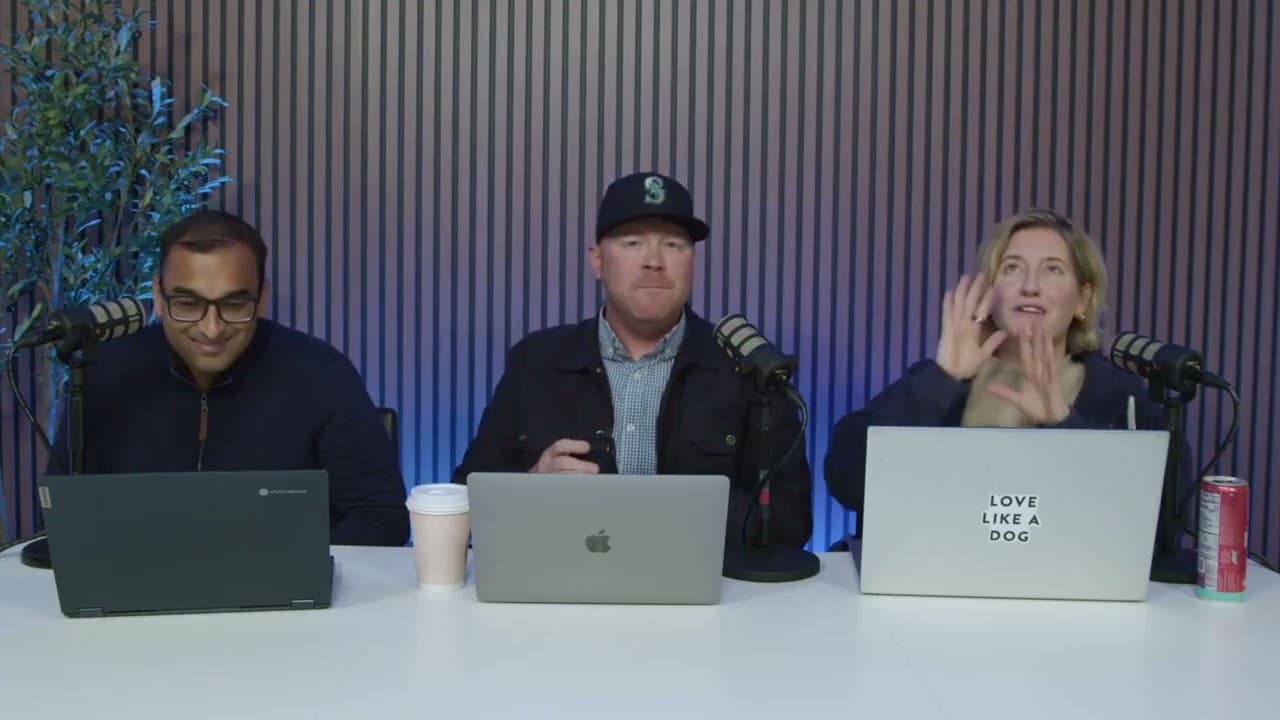
market updates · Ep. 167
167: Start Here: Podcast Playlists for Buyers & Investors
Not sure where to start with Seattle real estate? In this episode of Awesome in Seattle, Christian Nossum, Joanna Beecher, and Varun Jain explain the education-first approach behind Awesome Nossum Group and share the official starter playlists we recommend for buyers and investors. We talk about why education comes before showings, offers, or strategy, how resources like Beers and Home Buying,…
· 20 min

market updates · Ep. 166
166: You Closed on Your House. Now What? A New Homeowner Checklist
You got the keys. Now what? In this episode of Awesome in Seattle, Christian Nossum and Joanna Beecher walk through the first things new homeowners should do after closing on a house. Buying a home is a huge milestone, but once the signing is done and the keys are in your hand, there are still important steps to take. We cover the practical post-closing checklist every buyer should know,…
· 14 min