
Form 17 Explained: Washington’s Seller Disclosure for Buyers and Sellers
- Episode
- 168
- Published
- Duration
- 31 min
- Host
- Christian Nossum
- Topics
- Market Updates
Something in this episode hit home? Book a free strategy session →
Not sure where to begin?
Start with our curated buyers and investors playlists for the episodes that make the most sense first.
View our “Start Here” PlaylistsShow notes
Every residential real estate transaction in Washington State runs through one document: the Form 17 Seller Disclosure Statement. But most buyers and sellers only see it in passing — and end up either over-disclosing, under-disclosing, or waiving rights they didn’t understand they had. In this episode, Christian Nossum and Joanna Beecher of the Awesome Nossum Group break down the Form 17 from both sides of the table. For sellers: How to approach the form, why “Yes” isn’t the enemy, when “Don’t Know” is the right answer, why you should complete it before you list, and how a pre-listing inspection changes what you’re required to disclose. For buyers: How to actually read a Form 17, what the three-business-day review period means, the environmental section you can’t waive, what happens if the seller amends the form mid-transaction, and what your rights are if something turns up after closing. You’ll learn: •The 5-and-3 rule: the seller’s five-business-day delivery deadline and the buyer’s three-business-day rescission window •Why “actual knowledge” is the legal standard that governs every answer on the form •When a Form 17 waiver is common — and the one section a buyer can’t waive •How pre-listing inspections work, and the written notice that goes with them •When the Form 17 isn’t required at all •What buyers should do (and shouldn’t assume) when they find something after closing Whether you’re getting ready to sell your home in Seattle, Bellevue, Kirkland or anywhere in the Puget Sound region, or you’re writing your first offer, this episode gives you the practical, plain-English rundown of one of the most important — and misunderstood — documents in a Washington real estate transaction. This episode is for general education, not legal advice. For your specific transaction, talk to your broker and, when needed, a real estate attorney. Awesome Nossum Group — Seattle-area residential real estate.
Read full transcript
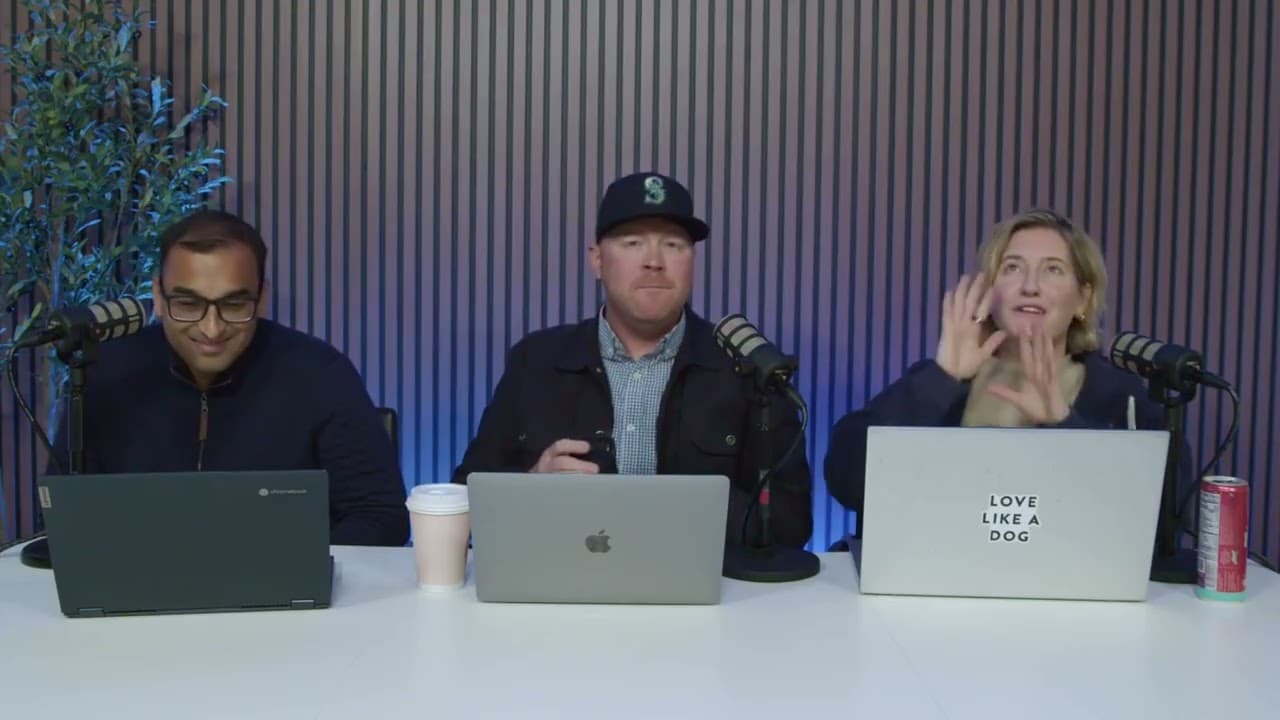
Christian: [0:00] Hello, hello, and welcome to another episode of the Awesome in Seattle podcast. This is your host, Christian Nossum of the Awesome Awesome Group at Wilson Realty Exchange, Inc, and I am joined today by my amazing co-host, Ms. Joanna Beecher.
Joanna: [0:12] Hi.
Christian: [0:13] Hello. Hi. All right, so there is a six-page form in Washington real estate that can end a deal in three business days flat or protect you for years after closing. Today we're breaking down the seller disclosure statement, otherwise known as the Form 17. Yes. Uh, so most seller- buyers and sellers see this form at some point in the transaction, but a lot of people don't fully understand what it is, what it does, and what it doesn't do. So today, we're gonna break it down. What is the Form 17? What sellers need to know when they're competing- completing it, what buyers need to know when they are reviewing it, and Joanna, let- let's jump right into it, huh?
Joanna: [0:57] I- I think it sounds great.
Christian: [0:58] Okay. So what is the Form 17? It is essentially a questionnaire completed by the seller about the property. The seller is answering questions based on their actual knowledge of the home. It covers things like water and sewer systems, structural issues, electrical, plumbing systems, homeowners association and CC&Rs, environmental concerns, title issues, easements, boundary disputes, and other potential defects or conditions affecting the property. That was a mouthful. It is. But it's true. It covers a lot of things. For most of the questions, the seller is choosing between three
answers: [1:33] yes, no, and don't know. Some of these questions aren't applicable, and that is the fourth option as well, N/A, non applicable. So…
Joanna: [1:44] Uh, yeah, and one of the biggest-
Christian: [1:46] Mm-hmm
Joanna: [1:46] uh, things to understand is that the Form 17 is not a warranty-
Christian: [1:51] Mm-mm … Joanna: that the house has no problems. In fact, it's the opposite. But it's not a home inspection. It is the seller basically telling you, "Based on what I actually know about this property, here's what I can tell you." And that can include things that happened before the seller even owned the home. Mm-hmm.
Joanna: [2:10] Right? Uh, if you know about a previous issue, the fact that it happened under another owner doesn't necessarily mean you can ignore it- Yeah … for so many reasons. Mm-hmm. But let's start with the seller side. What should sellers keep in mind when they're filling this form out?
Christian: [2:25] Yeah, that's a good question. So the biggest thing I would tell a seller is don't be afraid of the form, and don't try to outsmart it. Your job is sim- simply to answer the questions honestly based on what you actually know. You're not expect- expected to suddenly become a plumber, an electrician, or a structure engineer, or a roofer. You generally aren't being asked to investigate your house to discover things you don't already know. You're just disclosing what you know.
Joanna: [2:54] Yeah, and I know one of the sellers, they get… or sellers get very nervous about answering- Mm-hmm … yes to things. Yes, they do.
Christian: [3:03] Okay? Yes.
Joanna: [3:03] Um, they think that checking- Now I'm saying yes all the time yes, yes- Yes … uh, they think that checking yes is automatically going to scare the buyers away, and in fact, that is not true. Um- In a lot of cases. Yes isn't always a bad thing, right? Mm-hmm. In, on this form, and in many cases, yes is a really good way to explain a problem that might actually make a buyer uncomfortable, right? Mm-hmm. Uh, so let's say your roof leaked five years ago. You found the leak, you hired a, uh, roofing company.
Christian: [3:35] Mm-hmm.
Joanna: [3:36] That's what that would be. Um, you had it repaired.
Christian: [3:38] Mm-hmm.
Joanna: [3:38] And then you haven't had a problem since. Amazing. So you might explain, after you have to, you know, check yes, that your roof has leaked in the last five years, you explain down in the section where they let you do this, there was a leak around the roof vent in 2021, and being as specific as possible- Yep is also great.
Christian: [3:57] Mm-hmm.
Joanna: [3:57] It was repaired by ABC Roofing, and there have been no known issues since. Now, the buyer understands the whole story. You addressed it. There was an issue. Here's what happened.
Christian: [4:06] Yeah, and one answer sellers should be especially careful of is no. If you check no, and it can later be proven that you actually knew about the issue, that can actually create real legal exposure. For example, if you deny a prior water leak, but the buyer later finds old repair invoices or a contractor email showing that you knew about it, or, a- and now the problem is no longer just the leak, it's the accuracy of your disclosure. So don't choose the answer that feels safe. Choose the answer that's truthful, and if you are unsure what to say, don't know is always there for you to check. Uh, let's talk about don't know. Yeah. Because that is a big one, and we do see this often on there. Yes. Um, and there's nothing inherently wrong with checking don't know. If you genuinely don't know the answer-
Joanna: [5:00] Mm-hmm … Speaker: check don't know. That's what you're supposed to say. There may be things about a property that a typical homeowner just doesn't know. Uh, maybe you're being asked about something underground. Maybe you're being asked about a system you've never had a reason to investigate or deal with, or it was never an issue during your ownerships. You never looked at it. Maybe the property has been a rental for years and years and years, and you never occupied it, and you only know about the repairs that you had to do, but you don't know about other things that your tenants never told you about. You don't need to guess. At the same time, answering don't know shouldn't be a way to avoid disclosing something that you do know. Right.
Christian: [5:41] Um, and the whole concept is actual knowledge. If you know it, disclose it. If you don't know it, say you don't know. Um, there are al- also certain parts of the Form 17 that sellers should slow down and really think about, and every time we talk about f- Form 17, that's just another way to disclose what the seller disclosure is- Yep or another way that we discuss it, and that's only because in the Northwest MLS, that's where we are as real estate brokers, the seven- or the, the form is just titled Form 17 in the top left corner. Yep. So when we talk about that, it's the same thing as seller disclosure.
Joanna: [6:14] They all have numbers. Mm-hmm. All of our forms that we fill out have- Yep numbers, uh, and proper names as well. Mm-hmm. But it's super easy to just call them by their numbers.
Christian: [6:21] Yeah, exactly. So-
Joanna: [6:22] Once you know it.
Christian: [6:23] Yep. Um, so there are certain parts of the Form 17 that sellers should slow down and really think about. Structural issues are obviously a major one, but there's also things like boundary disputes, encroachments- Mm easements, right-of-ways, CC&Rs, homeowners association and assessments. And remember, the question isn't always, did this happen while I owned the house? It's, do I know about it? So if the previous seller told you about it, and they disclosed it on their seller disclosure or Form 17, you know it.
Joanna: [6:57] Mm-hmm.
Christian: [6:57] And that's the difference.
Joanna: [6:58] Yep. Um- So another big thing that's, um, very important for sellers specifically is getting the Form 17 filled out early- Yes … um, before your property goes on market, ideally. Legally, the seller has five business days after mutual acceptance to deliver the Form 17 to the buyer. But you don't wanna be scrambling on day four, 'cause there's a lot, like-
Christian: [7:26] Mm-hmm
Joanna: [7:26] a lot of questions, and I've seen it filled out wrong. I've seen- Mm-hmm … "Oh, whoops, I meant to answer this line that way." And, like, nothing makes you look less credible than stuff like that, so just- Agreed … keep it, you know, simple and get it done as soon as you can before going on market. And this is a way buyers can review it while they're deciding whether to make an offer on your home. And you don't want the first time anyone thinks seriously about the disclosure is to be after you're already under contract.
Christian: [7:56] Yeah.
Joanna: [7:57] Getting it done early gives the buyer more information and can help prevent surprises later. It's also especially helpful in a competitive market because buyers may need to make a decision about whether they're gonna keep or waive the Form 17. This was, when it was super, super competitive a couple years ago, well, the past 10 years- Mm-hmm … or more, there's been a lot of times where you have to, you know, advise your buyer, like, to be competitive, to win this offer, you need to waive- This Form 17, like, you have to basically say you're not going to back out-
Christian: [8:34] Mm-hmm
Joanna: [8:35] of this offer because of the Form 17. Yeah. Now, legally, there was, like, people would mark it down to zero days- Mm-hmm … that they would have to review this, and that was actually illegal. And then you had to give the buyer a certain amount of days. But now they have actually changed that-
Christian: [8:52] Mm-hmm … Joanna: and made it so you can waive that- Yeah and it isn't illegal. Yeah. But, yeah, I like having my buyers have more time with that, for sure. Yeah. So the, the big thing there is, essentially, once the buyer receives it, they have three business days to review it, or they can choose to read it and then waive that three-day period that allows them to back out. That's really what we're talking about right there. Um, but let's dive into what about if a seller decides to hire a home inspector and provide a pre-inspection to all the potential buyers. So they're hiring in, hiring the inspector, and they're now giving this inspection report to all the buyers. This is a related move that some sellers make, and we highly, highly recommend. But what does that mean for the Form 17? I didn't mean to rhyme, make that rhyme, but it did. Those reports get shared with all these buyers, so why do we like to do this?
Joanna: [9:49] We like to do this, uh, because it kind of covers a few things at once, uh, for the seller.
Christian: [9:56] Mm-hmm.
Joanna: [9:56] It means no surprises for you. Uh, you already know what an inspector is going to find because one has already been through your house. If there's something significant, you get to decide whether or not you want to fix it, or you wanna find a price for how much it would cost to fix it by either you or the buyer. Um, and that way you can just disclose it, right, on your timeline and not on a three-day negotiation clock after you've already gone under contract. Mm-hmm. Um, for the buyer, it's transparency. Uh, you get to see a professional inspector's report before you even write your offer, which is huge.
Christian: [10:30] Yeah. Then you know what you're getting into.
Joanna: [10:32] You hope.
Christian: [10:33] Yeah, you hope. When we do this with our sellers, we actually include a specific written notice that is attached to the listing paperwork that tells the buyer three important things. One, the inspection reports are intended to be a part of the seller disclosure. So, a pre-listing inspection isn't a separate side document. It now becomes a part of what the seller is disclosing about the property, whether or not it's physically stapled to the Form 17 or not. That's huge. Mm-hmm. Number two, the reports are not a warranty. The seller paid for them, but they're provided for informational and disclosure purposes only. The seller isn't guaranteeing the condition of the house based on these reports. And number three, the buyer is still advised to get their own inspection, either hire the same inspector who prepared the pre-listing reports or bring in their own.
Joanna: [11:21] And I think that third point is really important for buyers to hear. Mm-hmm. Um, a pre-listing inspection is not a substitute for your inspection. The inspector who did the pre-listing work was hired by the seller. That inspector wasn't in that house walking through it with you and your concerns and your plans for the property. Mm-hmm. Uh, they also may have done that inspection weeks or months, sometimes a year, uh, before that property went on market, and you wanna make sure you understand that before you write your offer, because things can change.
Christian: [11:55] Yeah.
Joanna: [11:55] Um, you're not required to accept a seller's inspection as the final word, and in most cases you shouldn't-
Christian: [12:02] Mm-hmm
Joanna: [12:02] at all.
Christian: [12:04] And this is where s- buyers should still care about a pre-listing inspection, even if they're gonna hire their own inspection or inspector. It gives you information before you write the offer. In a competitive market, buyers are often making decisions about whether to waive their inspection contingency, and a pre-listing inspection report doesn't replace your inspection, but it can help you make a much more informed decision about how you wanna structure your offer in the first place. Now, a lot of times in a super competitive market, you are probably not gonna have time to hire your own inspector. You are gonna use that inspection report and the seller disclosure statement as your guide to tell you, "Hey, do I want to make an offer?" And not get an inspection done 'cause I've now seen the seller's inspection report. Do I trust it, or am I gonna hire my own, which means I might not have time to do that before offers are due.
Joanna: [13:01] Yep. And- I, uh, yeah, I had to do this- Mm-hmm … for my own home that I bought- Mm-hmm … but I trusted the fact that, you know, well, myself and Christian were my agent- Yeah. So I was, like, leaning really hard on our knowledge of inspection reports and knowledge of homes- Mm-hmm and what I saw with my own eyeballs. Um, and I just went off of the Form 17 and the inspection that the seller had done, which was by no means perfect, but I knew what I was getting into. Yep. I knew what I wanted to have my offer be. Um, and I adjusted everything according to what I saw.
Christian: [13:38] Yep. Yeah. On the seller side, we found that a well-prepared pre-listing inspection package with the Form 17, the entire whole house inspection report, a sewer scope, these tend to attract way more confident offers with fewer post-inspection negotiations, if any post-inspection negotiations. Mm-hmm. Most of the time, for instance, last week, we had two listings that came on the market. Both of them sold within 48 hours of coming on the market. They were both competitive, both had multiple offers. Both sets of buyers waived their, um, Form 17 review period because they saw it up front, and they did not get their own inspection because the seller had already provided one, did a bunch of repairs after that-
Joanna: [14:25] Mm-hmm
Christian: [14:26] and talked about those repairs, included invoices sometimes, and it just made the process a lot easier for the buyer to understand. They felt way more confident, and they were able to move forward confidently in a tight timeframe-
Joanna: [14:38] Mm-hmm … Speaker: knowing what the house was and what it wasn't. That's ex- a lot of buyers really appreciate this. Mm-hmm. So sellers, if you're thinking about doing this, do it right. Mm-hmm. Uh, use a reputable inspector, because I guarantee you agents know when they're not.
Christian: [14:55] Yeah. Um- Well, we can look at a report- Yeah … and Joanna and I can tell. We've seen so many inspection reports. We can tell when an inspection report just isn't fully done or skims over stuff that kind of is a bigger red flag than they're- Yes leading on.
Joanna: [15:09] In fact, I knew on mine-
Christian: [15:11] Mm-hmm … Joanna: that certain things weren't looked at. Mm-hmm.
Joanna: [15:13] But it was certain things that I knew I was okay with. Yep. Um, and, you know, but we, like, we will help you, you know, as any agent should, help their buyer understand when that pops up. Um- Yes … which is, but we would rather, you know, have a seller and their agent do the right thing and just get a reputable inspector-
Christian: [15:33] Mm-hmm
Joanna: [15:34] and include the written notice so everyone understands what the reports are and aren't. Yeah. And here's the really important part. If the inspection turns up something you need to disclose on the Form 17, disclose it.
Christian: [15:47] Yeah.
Joanna: [15:47] You can't get an inspection, learn about a problem, and then check don't know- … um, on the Form 17. Once you have the report, you have knowledge, and the Form 17 has to be consistent with what the inspector found. That's actually one of the biggest reasons to do a pre-listing inspection, and you wanna do that well before you go on market. 'Cause then also, if something does turn up, like Christian was saying- Yeah you have time to potentially do some work.
Christian: [16:12] Yeah.
Joanna: [16:13] Which will, you know-
Christian: [16:14] It goes
Joanna: [16:15] a long way … probably get you, A, just you, more interest in your property- Mm-hmm … just because, and, you know, you'll get better offers that way.
Christian: [16:22] Yeah.
Joanna: [16:22] Um-
Christian: [16:22] For example, those two listings that sold within 14 hours of coming on the market-
Joanna: [16:26] Mm-hmm
Christian: [16:27] both of those sellers had inspections done, like, two months prior. They used that time after we did the inspection to actually get the work done that needed to be done that were bigger red flag items, and then we came back on the market, or then we came on the market- Yeah … after that with an updated Form 17, with the pre-inspection, uh, showing all the issues, with another note saying, "We repaired these issues." Mm-hmm. Um, and that just really helped give the buyers confidence to move forward. And then- 'Cause it showed that the, that the seller cares about the property and maintained it.
Joanna: [17:01] Exactly, and in a market where it is not guaranteed 'cause, you know, it's not as competitive in a- Mm-hmm … in a lot of areas as it used to be, but- You know, you just were doing best practices, and it worked-
Christian: [17:15] Yeah
Joanna: [17:16] for these particular properties. Yeah.
Christian: [17:17] Which
Joanna: [17:18] is awesome.
Christian: [17:18] And this is, this is in a market that is not getting multiple offers most of the time. Yeah. So-
Joanna: [17:24] I know. I
Christian: [17:25] mean- The fact that we did, that just goes to show, setting up your property the right way, your listing- Mm-hmm … when you're going to sell, really helps get your property sold quickly and with minimal, if any, negotiation. Which is- Which is the point … Joanna: also rare currently. Yeah.
Joanna: [17:39] Um, yeah.
Christian: [17:40] Let's talk about the buyer side. So my first piece of advice is very simple for buyers. Read the Form 17.
Joanna: [17:48] Mm-hmm. Every line.
Christian: [17:51] Yeah. It's not just another document that you're gonna blindly scroll through and then sign on the bottom. Um, look at the answers, the yeses, the nos, the don't knows. These are all really important to understand what they're saying. Compare it to the seller-prepared inspection report, if they did one, and see if there's any inconsistencies. And if there are, these are things that we can ask about and find out for you, so you're making clear that you know what it is you're buying.
Joanna: [18:21] Yep. One of the most important things that buyers do need to understand is the Form 17 is not a home inspection. Mm-mm. Uh, the seller is not necessarily an expert on the systems of the house, right? A seller might honestly say that they don't know-
Christian: [18:35] Mm-hmm … Joanna: of any electrical problems, and they might not. Um, then your inspector comes in, right? You're getting an inspection, and they're like, "Oh, my gosh, there are electrical problems," um, or issues. And those two things aren't necessarily inconsistent. Um, the seller may truly not have known. Yep.
Joanna: [18:53] So that's why a buyer still needs to do their own due diligence. Get your home inspection, your sewer scope- Mm-hmm 'cause I guarantee you, a lot of homeowners are not doing a sewer scope before they put their property on. House on
Christian: [19:07] the market, yep.
Joanna: [19:07] And any specialist inspections serve a completely different purpose, right? The Form 17 gives you information from the seller, just from their brain. Your inspections independently evaluate the property, just the property as is. You should be trying to use both of those things.
Christian: [19:27] Yep. One of the biggest legal protections associated with the Form 17 is the buyer's review period. We touched on it earlier. We're gonna go more in-depth on it now. So once the buyer receives the seller disclosure statement, the buyer has three business days to review it and potentially rescind the purchase agreement, may, meaning they can back out based on what is in the Form 17. One detail buyers rarely hear. If you wanna exercise that right, the statute requires a separately signed written statement of rescission delivered to the seller and the seller's agent. Not a text, not a verbal heads-up, a signed written notice inside the three-day window. This is where we come in to help you do this. This is not on you to figure out how to do as a buyer. This is where us, as your agent, will help you submit and create the correct form. It's a pretty significant protection as well. It's a s- And it's separate from your inspection contingency. So where this gets especially interesting is in a competitive market, like we talked about before. If there's 10 offers on a house, buyers sometimes waive that Form 17 rescission right as part of making their offer stronger. Doesn't mean that they waive the right to receive or review the Form 17. It just means that after they received it and read it, they're waiving their three-day review period, and would otherwise let them back out of the purchase, which they're not allowed to do if you waive it. In a less competitive market, you may decide there's no reason to give up that protection, and if we're representing you as a buyer, we're always gonna try and keep that in if we can. That's one of the reasons why we want buyers to have access to the Form 17 before we write an offer whenever possible. Or if we don't get it until after you get your offer accepted, you can use that as a three-day window to potentially back out. You don't lose any earnest money. You don't waste any money. Nothing happens. You can back out at no cost to you. Um, if you're gonna waive your right to review it after the mut- or after you get your offer accepted, at least read it beforehand so you know what you're waiving.
Joanna: [21:28] Yeah, and the environmental section you can't waive. Mm-hmm. Um, here's a nuance that a lot of buyers and even some agents miss A buyer can waive the Form 17, but there's an exception written directly into Washington law. If the seller's honest answer to any question in the environmental section would be yes, the buyer cannot waive the receipt of the environmental section. The seller still has to deliver that portion of the disclosure. We're talking about things like asbestos, lead-based paint, underground storage tanks, contaminated soil, prior meth activity, that kind of thing. So even in a competitive offer situation where the buyer's waiving the Form 17 to strengthen their offer, environmental disclosure still has to happen if there's anything to disclose. Sellers, don't let anyone tell you a blanket waiver gets you off the hook there.
Christian: [22:23] Yeah.
Joanna: [22:23] Buyers, don't assume a waived Form 17 means there was nothing environmentally worth knowing.
Christian: [22:29] Here's another one that most people don't talk about. If a seller learns something new after delivering the Form 17, say the HOA sends a special assessment notice while you're under contract, or a neighbor mentions a boundary is- issue while you're under contract, the seller actually has to amend the Form 17 and redeliver it to the buyer. When that happens, the buyer gets a fresh three-day rescission window off that amended disclosure. So you could be, you know, say it's a 30-day closing period. You get your offer accepted day one. Day 30, you become the owner. On day 25, the seller, uh, re-does the seller disclosure statement, the Form 17. You have a three-day window after that to potentially back out It's kinda crazy, but it's true, and it makes sense that it's there and that it's written that way. And this is something that a lot of agents don't really realize- No … nor do they ever talk about. So you are probably gonna know more because you listened to this episode than a lot of agents out there, which is scary, but probably accurate. So the Form 17 isn't a sign it and forget it type of document. It's a living disclosure throughout the entire closing process.
Joanna: [23:43] So what if you find something after closing? Um, another- Mm, this is a
Christian: [23:46] big
Joanna: [23:46] one. Yeah, this is huge.
Christian: [23:48] Mm-hmm.
Joanna: [23:48] Um, another issue that comes up when you as the buyer find something wrong with a house after closing, maybe a month later something breaks, maybe six months later you open up a wall and find water damage, and the buyer's first thought is, "The seller didn't tell me about this." Yeah. "Doesn't the seller have to pay for it?"
Christian: [24:06] Yep. This is- Mm … a very common thought that buyers have.
Joanna: [24:09] Yeah, and not necessarily- Mm-hmm … new. Uh, the key- Most of the
Christian: [24:12] time, no.
Joanna: [24:13] Yeah.
Christian: [24:13] Yeah.
Joanna: [24:13] I would say 99% of the time, no.
Christian: [24:15] Mm-hmm.
Joanna: [24:17] Okay, so the key issue is usually whether the seller actually knew it existed, right? If they knew about the defect. The fact that a problem existed while the seller owned the house doesn't actually mean they knew about it. Uh, imagine there was a slow pinhole leak hidden inside a wall for several years. Once the wall is opened up, you find the damage. That doesn't automatically mean the seller knew about and lied about it. It genuinely might mean they really didn't know. Mm-hmm. Um, 'cause I, I would challenge you to find that out- Yeah … without opening up a wall. Exactly. Um, now, if there was a receipt that you found from a plumbing company repairing the same leak during the seller's ownership and the seller didn't disclose it, that's a completely different situation. Yep. That's when you need to talk with an attorney about your next step. And this is another reason why we recommend pre-listing inspections. Uh, when a seller has actually had the house professionally inspected before listing, there's a lot less room for did they know or didn't they know- Mm-hmm argument, right? If you believe a seller knowingly made a false disclosure or intentionally concealed a significant defect, that's an attorney conversation. But buyers shouldn't assume that every issue discovered after closing automatically- Mm-hmm … becomes the previous seller's responsibility. The Form 17 is a disclosure. It isn't a warranty.
Christian: [25:39] Exactly. Yeah. That, that's a huge thing, 'cause we do have buyers that over my 20-plus years, you know, three months, six months, a week after- A week … closing- … there, an issue pops up, and they're like, "Well, the seller should've known. They are the ones that are responsible. They should have to pay for this." You gotta prove that they knew, first off- Mm-hmm … which is pretty tough to do, unless you have, like, documented-
Joanna: [26:05] Very hard … Speaker: very, yeah, very, very hard evidence showing this. Mm-hmm. Um, it's really hard to prove. Yeah. So- I had a leak-
Christian: [26:12] Yeah … Joanna: like, a few months in, or not even, like, two months into owning- Mm-hmm … my home, and it was a weird leak coming from… I had to do some detective work. Mm-hmm. And, you know, I thought about it, I remembered the inspection, and they definitely said there was some masonry work needed on the chimney, which is where, as the detective that I am, found that it was coming from. Mm-hmm.
Joanna: [26:32] And, you know, I thought about it, I'm like, "There's no way that this didn't happen to them. There's no-" Yeah … "way that this just started with me." Yep. But, um, also, how am I supposed to prove that?
Christian: [26:42] Yeah.
Joanna: [26:42] I got nothing.
Christian: [26:43] Yeah. So. So assume that you won't be able to get anything out of a seller for an issue that pops up after, unless you have 100% clear proof. That said, talk to an attorney. We are not attorneys. No. Don't take anything that we're saying today as legal advice, 'cause we're not attorneys. We are real estate brokers in the state of Washington, um-
Joanna: [27:04] And the way we would deal with it might be completely different than how you would deal with it.
Christian: [27:07] Exactly.
Joanna: [27:08] So.
Christian: [27:08] Yeah.
Joanna: [27:09] Yeah.
Christian: [27:09] Yeah. Okay, let's talk about when the Form 17 might not actually be required to be given to you as a buyer. There are a few situations, there's not a mi- a lot, but there are a few where it's not required, and these exceptions include foreclosures and deed in lieu, uh, of foreclosure, gifts or transfers to a parent, spouse, domestic partner, or child, transfers between spouses or domestic partners in a divorce or dissolution, transfers where the buyer already had an ownership interest in the property within the last two years, transfers of less than fee simple interest, with, with an exception for real estate contracts, transfers by a personal representative and a, of an estate or a bankruptcy trustee, and transfers where buyers have expressly waived receipt of this, the disclosure statement. These are situations where either the seller has no meaningful knowledge of the property or the legislature decided a former disclosure just doesn't fit the transaction. And even then, if you're an exempt seller who does know about a material defect, you still can't actively conceal it. The exempt form, or exempt from the form doesn't mean exempt from honesty, so you still have to disclose if you do know something- Mm-hmm even if you somehow fit into one of these situations.
Joanna: [28:30] Um, so for sellers, big takeaway is simple. Answer the Form 17 honestly based on what you actually know. Don't be scared of yes. If there was an issue and you repaired it, explain what happened. If you truly don't know the answer to something, "don't know" is a legitimate answer. And when possible, get the disclosure completed before you put the property on market.
Christian: [28:52] Yeah. And for buyers, read it carefully. Pay attention to the yes answers and the explanations. Don't automatically assume "don't know" doesn't mean something is wrong. Understand what the three business day review period means, and whether you're keeping up or waiving with that protection. And don't ever treat the Form 17 as a substitute for your own inspection and due diligence. It's an important piece of information, but it's only one piece. So let's do a quick recap.
Joanna: [29:19] Okay.
Christian: [29:20] Sellers, answer honestly
Joanna: [29:22] Buyers, read every page
Christian: [29:23] Sellers, don't fear yes. Explain it
Joanna: [29:26] Buyers, turn every yes and every don't know into an inspection question
Christian: [29:31] Sellers, complete the Form 17 before you list, not on day four after accepting the offer. And sellers, consider a pre-inspection so you're negotiating on your timeline, not the buyer's
Joanna: [29:42] Buyers, know whether you're keeping or waiving your three business days
Christian: [29:47] And both of you, remember, the Form 17 is a disclosure, not a warranty and not an inspection. If you're thinking about selling a home in Seattle area, one of the things we do for every seller that we work with is a pre-listing Form 17 walkthrough. We go through it be- together before you're under contract, so there are no surprises later. If you'd like that, reach out to us at the Awesome Nossum Group, and we can help you do that. We also have inspectors that we trust- Mm-hmm … that are honest, that do a great job, that we can recommend to you. And after you get a pre-inspection for your house that you are planning to sell, we'll help you understand which of the repairs you should do and spend the money on, because we understand what buyers in the specific market that we're in in that moment- Mm-hmm what their thought process is, what they're scared of, what they're willing to overlook and deal with on their own or not.
Joanna: [30:38] Yep.
Christian: [30:38] Um, it's a big deal, and you have to be actively in the market to understand what's important to fix and what's important to not fix, what you don't have to do. Yeah. Um, if you are interested in getting any of our help or recommendations, just reach out. All of our contact info is on our website, awesomenossumgroup.com. Thank you so much for listening to this episode of the Awesome in Seattle Podcast. We'll see you next time.
Joanna: [31:01] Bye.
Christian: [31:02] Bye.
Related episodes
market updates · Ep. 167
167: Start Here: Podcast Playlists for Buyers & Investors
Not sure where to start with Seattle real estate? In this episode of Awesome in Seattle, Christian Nossum, Joanna Beecher, and Varun Jain explain the education-first approach behind Awesome Nossum Group and share the official starter playlists we recommend for buyers and investors. We talk about why education comes before showings, offers, or strategy, how resources like Beers and Home Buying,…
· 20 min

market updates · Ep. 166
166: You Closed on Your House. Now What? A New Homeowner Checklist
You got the keys. Now what? In this episode of Awesome in Seattle, Christian Nossum and Joanna Beecher walk through the first things new homeowners should do after closing on a house. Buying a home is a huge milestone, but once the signing is done and the keys are in your hand, there are still important steps to take. We cover the practical post-closing checklist every buyer should know,…
· 14 min

market updates · Ep. 165
165: New Ways Buyers Can Improve Their Credit Score in 2026
Your credit score plays a major role in your home buying journey, but many buyers don't realize there are simple ways to strengthen it before applying for a mortgage. In this episode, Christian Nossum is joined by mortgage expert Dan Keller and agent Joanna Beecher to break down how credit scores work, what factors have the biggest impact, and practical strategies to improve your score. They…
· 34 min