
How to Analyze a Deal in 10 Minutes (Our Quick Formula)
- Episode
- 162
- Published
- Duration
- 24 min
- Host
- Christian Nossum
- Topics
- Market Updates
Something in this episode hit home? Book a free strategy session →
Not sure where to begin?
Start with our curated buyers and investors playlists for the episodes that make the most sense first.
View our “Start Here” PlaylistsShow notes
Analyzing real estate deals is one of the most important skills buyers and investors can build in today’s Seattle market. In this episode, Christian Nossum and Varun Jain break down how to evaluate opportunities, what numbers matter most, and how to think through a property before making a decision. They discuss key factors like pricing, potential upside, risk, timing, and the broader market context that can shape whether a deal makes sense. Whether you’re looking at your first investment or simply want to better understand how experienced professionals assess properties, this episode offers practical insight to help sharpen your decision-making. If you’ve been wondering how to analyze deals more confidently in Seattle real estate in 2026, this episode will help bring clarity to the process. If you enjoy listening to the Awesome in Seattle Podcast, please leave us a review. We’d love to hear from you!
Read full transcript
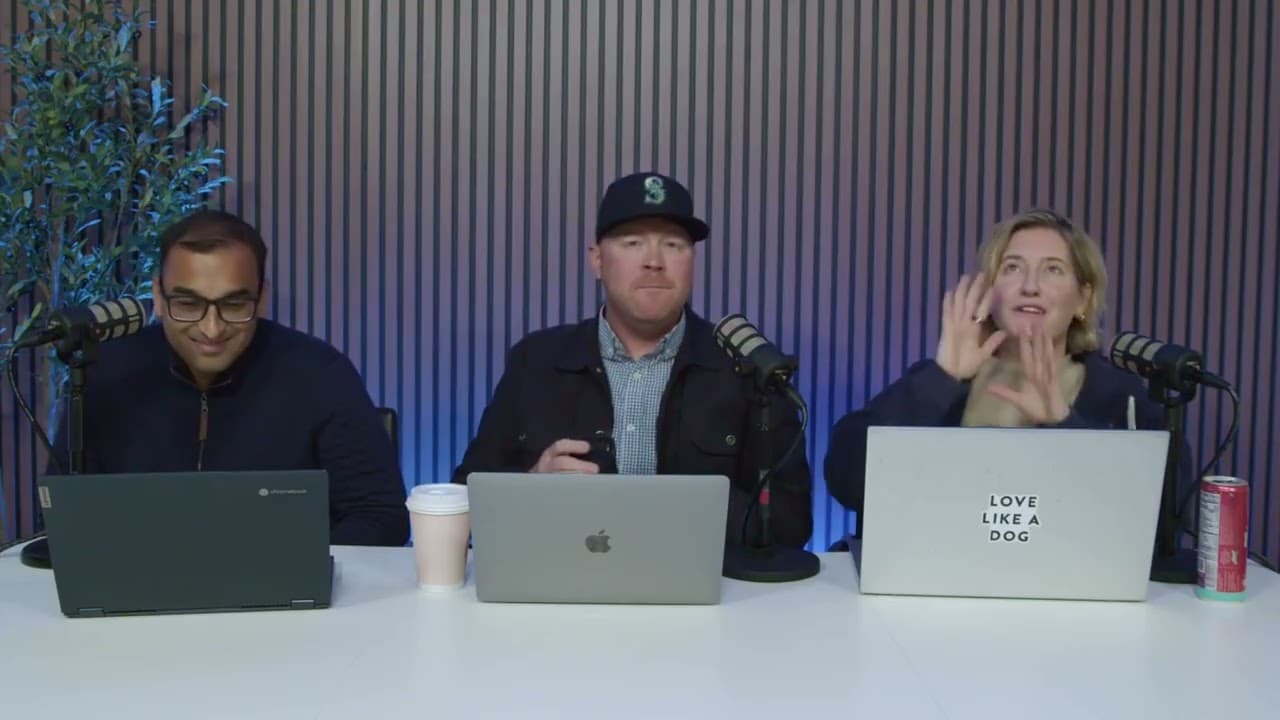
Christian: [0:00] Hello, hello, and welcome to another episode of the Awesome in Seattle podcast. This is your host, Christian Nossum, with the Awesome Nossum group at Wilson Realty Exchange, Inc, and I've got a great guest with me, my co-host, my fellow real estate agent here on the Awesome Nossum group, Mr. Varun Jain.
Varun: [0:14] Hey. Good to be here.
Christian: [0:15] Thank you for joining me today. So today, we are talking about something that he and I do on a daily basis, basically, uh, and that is analyzing deals. We wanna teach you how to analyze a deal in 10 minutes or less, just a quick and dirty, "Hey, is this worth digging into even more, and… or do I need to pass on this, or what?" Right. Right. So that's kind of the point of this episode. If you are looking at a flip or a development project or something like that, this is a quick and dirty math way to decide if you need to dig into it deeper.
Varun: [0:49] Yeah. Yeah, because there's a lot of things that you need to look at for underwriting, but the first is the numbers. Yeah. If the numbers don't work, you don't need to spend time on- Yeah … things like zoning and, uh, where the utilities are and all that other stuff.
Christian: [1:00] Yeah, exactly. So this is just the quick first round of yes or no, um, because again, you could spend two hours on something. You can build out this huge spreadsheet. You could waste a lot of time on a deal that, from the get-go, doesn't make sense. So this episode's teaching you how to save yourself some time. Um, so- Let's go over this. The, the quick way to really understand this is to figure out how to set up your systems, and, uh, let's just kind of go over actual deals. I think this will make it a lot easier. Yeah. So let's go over a deal that worked and one that didn't work. So step one, this is everything. You need to first understand what the ARV, the after repaired value is. That's step one. Figure out what that is. How you do that is you need to look at comps. Comps is short for comparables. When you're looking at comps, and this is where most people mess up, they try to fudge the numbers a little bit to make a deal happen, 'cause you're so eager to do a deal that- They're forcing it … you're forcing it. Exactly. And I- we see this all the time. We see it. We pass on a deal, we see some other investor take it, and they're thinking that, you know, the ARV is way higher than we had ever penciled in.
Varun: [2:18] Yeah.
Christian: [2:18] And then at the end of the day, at the end of the project, they're breaking even or losing money, and it's like, yeah, that, duh.
Varun: [2:25] Yeah.
Christian: [2:26] Yeah. So what you're looking for to figure out your ARV, you're looking at recently sold homes very close by. Um, these are the same neighborhood, same size, same style of home, same finish level. So you're not looking at a, you know, 1980s style house. You're looking at a brand-new, fully remodeled home to try and understand and justify- Yeah … the after paid repaired value. Um, and y- you don't, again, you don't wanna inflate these. You don't wanna overinflate this. If anything, you wanna be conservative on what you think the ARV is gonna be.
Varun: [3:02] Yeah. Yeah. And, a- and that- that's where the discipline really matters. If your ARV is off, nothing else matters. Like, everything, uh, uh, is irrelevant at that point.
Christian: [3:11] Yeah.
Varun: [3:11] Um, so- Make sure your ARV is right. Um, look at the comparables very closely. Don't compare a new construction three story, 2,000 square foot home to a two story with a basement, 1980s home that you're gonna refinish. That is not a comparable. No. So just make sure you're looking for a like to like product.
Christian: [3:30] Exactly.
Varun: [3:31] Uh, step two, renovation cost and holding cost. Uh, this is very important, and you know, you should know how to estimate this quickly. You don't have time to get a detailed scope of work, and bid it out, and figure out what that, uh, actual cost is gonna be.
Christian: [3:48] Mm-hmm.
Varun: [3:49] You need a way to estimate quickly, and here's how we do it. Yeah. Um, quick and dirty math. Cosmetic flips, pencil in 40 to 50 square feet for the total square feet of the house if it's entirely cosmetic, uh, and about one to three months of holding cost. Mm-hmm. Um, medium flips, 70 to 90 square feet, uh, dollars per square feet, uh, for the total square feet, and three to six months of holding cost. Heavy fixers, this is total gut. This is where you're going from all the way from 100 to over $120 a square foot. Mm-hmm. It depends on the scope of the work, and this is where you should have some experience to be able to kind of guess what that number's gonna look like.
Christian: [4:30] Yeah.
Varun: [4:30] It's always good to err on the higher end because there, more often than not, there'll be cost overruns.
Christian: [4:35] Yeah. And- And if you're in a higher end neighborhood, you're gonna need to ratchet that up because your price per sq- square, price per square foot is gonna go up 'cause your finishes are gonna have to be more expensive.
Varun: [4:44] That's true. Better tile, better plumbing fixtures, nicer light fi- light fixtures, so on and so forth. Yep. Um, and then, uh, timeline-wise, for a heavy fixtur- fix- fixer, I would budget six to 12 months minimum. Mm-hmm. To six months. I'd say closer to nine months for a heavy fixer to be kind of realistically- Yep … going back on market, and that one month of sale time. Don't forget that one month from offer to close, that also is your holding cost.
Christian: [5:09] Yeah.
Varun: [5:09] So be remem- remember to account for that too.
Christian: [5:12] Yeah. Yeah. Exactly. Uh, and then you need to always adjust for those layout changes, um, and additions or, and also the permitting costs and timeline.
Varun: [5:23] Yeah.
Christian: [5:23] Don't forget about that 'cause that's something that people often forget. They're like, "All right. Well, I'll just get a permit, and then I'll go." It could take six months to get a permit.
Varun: [5:32] Yeah.
Christian: [5:32] And you're just sitting there holding the vacant house, not able to do anything for six months.
Varun: [5:37] Yeah, yeah. This is where, like, uh, when you're walking the house, you should know whether this is an SDFI, which is subject to field inspection permit, which is kind of the over-the-counter version of the permit- Yeah or this is a full plan review where you're going into every detail, thing of that house. Mm. And the city takes their own sweet time to kind of go back and forth with you to make sure the permit is right. Yep. That also applies for new construction. New construction permits can be anywhere from as early as three months to over six months. So n-
Christian: [6:06] depending on your product- It could be way even longer too. If it's a data, three to six months. If it's, you know, a brand new house, it could be 18 months. Like, it could be really, really long depending on, you know, the site and if there's stability issues and slopes and all that stuff.
Varun: [6:19] Right.
Christian: [6:19] It really just depends.
Varun: [6:20] Yeah. So know your timelines is- Yeah … is the key. Uh, step three is all-in cost. So all-in cost is not just your purchase and rehab. You have other costs that you need to account for over and above the purchase and rehab costs. Mm. These are closing costs. So when you close, you're paying excise taxes, you're paying commissions. Assume 3% on both sides for both agents. Mm-hmm. You can ratchet it down to 2.5% if the deal doesn't pencil at the end, but it's good to assume the higher end. Um, holding costs, which includes taxes, insurance, utilities. Um, financing costs where you're paying points up front for hard money- Mm-hmm … and the interest payments every month. Uh, that adds up as well.
Christian: [7:02] Really quick.
Varun: [7:02] Um, really quick. And then, um, um, uh, we talk about s- selling costs as well. So closing costs are actually the other costs that come with closing where you're paying escrow and stuff. So I misspoke a little bit there. Selling cost is where you're paying commissions and estate tax. Mm-hmm. Just remember that. Uh, so these are other costs, and those are not small. Uh, especially the financing costs and the monthly payments, they add up very quickly, and if you're not accounting for that, that can make or break your deal.
Christian: [7:32] Yeah. For quick and dirty math, for sales cost, closing costs, assume 10% is what it's gonna cost you to sell. Yeah. That's a good number. That includes commissions, excise tax, ex- escrow fees, all of those little county recording fees, all of that stuff. Yeah. It's closer to 9%, maybe a little bit less, but again, just quick and dirty, use 10%.
Varun: [7:54] Yeah. Uh, also, um, one thing that, uh, some people don't account for, staging. Yeah. Staging is not cheap.
Christian: [8:00] No, not
Varun: [8:01] at all. Staging is not cheap. So th- again, uh, keep buffers and make sure all these costs are accounted for. And when you're doing the math, the 10% number really helps because that takes into account all of these other things.
Christian: [8:14] Yep
Varun: [8:15] And then step four- Yeah … target profit. Um, this is where you have to choose a metric that works for you. Yep. Investors go one of two ways, either a pure dollar profit target or a cash on- annualized cash on cash metric, uh, which is essentially the velocity of the money you've invested. How fast is it giving you a return? Uh, choose either one that works for you. Uh, for most flips, I think, uh, we are looking for 75,000 minimum of profit. Uh, for most of my deals, uh, I tend to operate around the cash on cash invested, uh, metric, and I'm looking for deals that are 60-plus percent or 50-plus percent annualized cash on cash, which, which essentially means for every dollar invested, I need to make $1.50 back o- on that project an- annualized. Mm. And that helps me compare all projects, uh, with one single metric. Whether it's a three-month or a nine-month, the annualized cash on cash number gives me which is a better project for me.
Christian: [9:24] Yep, exactly.
Varun: [9:26] Step five, quick formula, and here's a shortcut. Um, ARV minus all costs is your profit, and that's what you're trying to-
Christian: [9:35] Mm-hmm
Varun: [9:36] maximize.
Christian: [9:36] Yep.
Varun: [9:37] Um, if it doesn't hit your number, pass. It is, what I've learned over the last few years of doing this, is you have to say no a lot more times than say yes. Yeah. You want to make sure you're hitting your metrics and your goals, uh, because the market shifts or there are cost overruns- Mm … and you can easily be in the hole. So it's important to keep the bar where it is, or keep the buy- bar high enough to make sure you are not in the red.
Christian: [10:07] Yeah. That's the biggest thing. Don't lose. Don't lose money. Um, we've heard some big-time investors that, you know, do a lot of flips every single year, and they're like, "I lose money on 1 out of every 10 flips that I do." I don't want to lose money on any of my flips, but even when you know what you're doing, you still run that risk of potentially losing-
Varun: [10:28] Yeah … Speaker: 10% of the time. Yeah.
Christian: [10:30] So it, it is somewhat of a risky business to get into. Um, it's not a sure thing at all. Yeah. So let's, let's go into some actual numbers of a deal that you recently did, real numbers, on your Queen Anne flip that just closed, what, not even a month ago? Maybe a month ago?
Varun: [10:45] Maybe a month ago. Yeah.
Christian: [10:46] Yeah. Yeah. Um, let's go over those real quick and show people, like, what the actual numbers were and why you decided to do it, and how well it paid off in the end.
Varun: [10:55] Yeah. Sounds good. So-
Christian: [10:56] Are you open to sharing the, the actual numbers?
Varun: [10:58] Yeah.
Christian: [10:58] Okay.
Varun: [10:58] Yeah. Let's do it. Let's do it, let's do it. Um, so this was a deal on market that, uh, we bought June of last year. Um, the purchase price was 981, so that is set in stone. Mm-hmm. Uh, the estimated ARV when we bought it was 1.65 million. Um, the estimated rehab was 300,000, and I estimated the holding and closing costs to be around $200,000. Uh, so my total cost was $500,000. My total estim- And the timeline was seven months. My total estimated profit when we bought it was, uh, $169,000, um, uh, for the project. Uh, here's where the actuals landed. Purchase price obviously didn't change. The rehab came in a little bit under, which is usually n- not the case. We- It's very rare. Very rare. We came in at 285. Um, and-
Christian: [11:51] And you estimated 300.
Varun: [11:52] Uh, we estimated 300. Our- Timeline went from seven to 10 months-
Christian: [11:58] Mm-hmm … Varun: which means our holding cost went up, uh, and that pushed it f- from 200 to 270. Yeah. Um- You estimated 200, actual was
Varun: [12:08] 270.
Christian: [12:09] 270. So you're in the hole now 70.
Varun: [12:10] Yeah. And s- so my total cost, uh, went from $500,000, which was my estimated, to 555. Now, where it really helped me make it up was we sold the house for $1.716 million, versus an estimated of 1.65. Mm. So my profit actually came in higher at $180,000, versus the estimated 169. Mm-hmm. So I, I was able to make up the number, but if my… If I had hit my ARV, then I would barely break even. Yeah. Right? Very close to break even. So that would be the challenge there.
Christian: [12:47] So let's go over what, what made this deal work?
Varun: [12:51] And so one of the things that really worked for this deal is I knew the neighborhood very well. I drive really close to that home maybe once or twice a week for different kids' activities or shopping. Um, there's a school that is, elementary school that is, uh, two blocks from the house. There's a middle school that's seven blocks. There's a ton of restaurants, uh, uh, coffee shops, and grocery stores within walking distance, I would say maybe less than a mile from the house. I knew that locations really well. Top of Queen Anne, very desirable location. So I, I knew there's a lot of demand in that particular pocket of Queen Anne.
Christian: [13:29] And because you knew what the demand was, you knew how to actually structure the house, like layout-wise, to appeal to the demographic that would want to buy it.
Varun: [13:40] Exactly. Which is what- Because we, we knew, uh, our potential customer will be a family.
Christian: [13:45] Yeah.
Varun: [13:46] Yeah.
Christian: [13:46] And that's super important, is to understand who is the end buyer of this, and it's not the same everywhere. So you need to understand that, and when you're rehabbing the house, you need to configure the house in a way that is the most appealing to that end buyer.
Varun: [14:02] True.
Christian: [14:03] True. That's huge, and I don't ever hear anybody talk about that, but I think that's a huge part of this.
Varun: [14:07] That is absolutely important.
Christian: [14:08] Yeah. So with every project that we ever do, there are always some known risks that we are taking on, um, that could theoretically hurt the final sale price, but we know that, and we factor that in. What were those risks for this deal?
Varun: [14:24] Yeah. So for this particular property, um, it only had a carport. Mm-hmm. No garage. Some of the comps that we were looking at had garages. Mm-hmm. So that was a risk. Uh, the lot was on the smaller side. Si- uh, size was, like, under 4,000 square feet. I think- So a pretty
Christian: [14:40] small lot.
Varun: [14:41] Pretty small lot.
Christian: [14:42] Yep.
Varun: [14:43] Uh, which is not always desirable. Mm-hmm. Uh, so that was a risk, and then the one risk we knew going in was there's potential asbestos under the siding.
Christian: [14:51] Oh.
Varun: [14:52] Uh, we didn't know whether or not it will be, but it was highly likely that we had asbestos under the siding. So we knew that was a risk we were taking on.
Christian: [14:59] And that's a big expense, potentially, if it is there, to remediate that. Yeah. And you have to hire a specific crew to do that, and all. Yeah. You have to go through a bunch of different steps.
Varun: [15:07] All the work stops. Nothing can be paralyzed at point- Yeah … and it adds timeline and cost.
Christian: [15:12] Yep. Um, I walked that house while you were in the middle of it, and I know layout was a big one, too.
Varun: [15:19] Yes. Layout was a big challenge as well. So that was a big risk to m- make sure the layout is right and it works. And this is where we had to crowdsource it, to be honest. Yeah. We had a couple options that we send out to other, uh, friends and investors, uh, and got feedback on what will work, what will not work, and then fine-tuned the layout as we went through the renovation.
Christian: [15:40] Yeah. Yeah, 'cause I know when we walked it- You already had drywall up, you had doors framed in, you had things, like, ready to go, and we were like, "Eh, I don't know if that's the right placement- Yeah for things."
Varun: [15:51] Yeah.
Christian: [15:51] We had to move a door. And you guys actually, you reconfigured some stuff.
Varun: [15:54] Yeah, we moved a door. Uh, we initially had it as a five bedroom, but a very small rec space. Uh, we changed that to a four bedroom and a larger rec space, and I think that is what sold the house in the end of the
Christian: [16:05] day. Yeah. Yeah. So know that going in, just because you have a plan and it looks great in blueprints, walking it and feeling it in person can totally change your mind. Absolutely. And get opinions from other people, and be flexible and willing to change things up. Yeah. Just a tip, so.
Varun: [16:23] Collect more data points- Yeah and change your plan as you collect these data points.
Christian: [16:27] Um, okay. Another question is what went better or worse than you expected?
Varun: [16:33] I start with the bad news first. Bad news. The worst thing, uh, the, the things that did not go as per plan. Uh, we had to switch contractors one month in.
Christian: [16:41] Yeah.
Varun: [16:42] Uh, the contractor started great, stopped showing up. Um, and then we had the house sitting there for, I think, three weeks doing nothing.
Christian: [16:51] Mm-hmm.
Varun: [16:52] Uh, which doesn't help. That was part of the overrun, timeline overrun the project. Yep. Um, so that was one thing that didn't, um, go as per plan. Um, the new contractor also, while he did a great job, uh, was a little bit on the slower side, so we ended up taking more time, and we ended up overall, uh, holding the deal for three months longer than we planned for. Um, we did discover asbestos in the siding, so that added to the timeline and the cost. Uh, those are things that did not go as per plan or were a little more challenging.
Christian: [17:25] Yep.
Varun: [17:25] Things that went really well. Um, we had really good reception at the open house and customer feedback. Mm-hmm. We actually had an offer before we got to the market. Uh, someone who lived in the neighborhood, walked by the property, was renting and wanted to buy. That was a strong signal on where we should come on, uh, with our price in the market. Um, so that was a good thing that happened. Uh, a lot of activity. Location, again- Yeah, prime location … worked really well.
Christian: [17:52] Yeah.
Varun: [17:53] Uh, uh, and, uh, end of the day, uh, even with all the contractor changes and challenges, we came in under budget, which almost never happens.
Christian: [18:02] Mm-hmm.
Varun: [18:03] Uh, and there was a… That helped, uh, to some extent in, uh, offsetting the, uh, extra months that we had to hold the deal. Yeah. Um, uh, so yeah, all of… Kind of pluses and minuses I think do happen in every project, and you need to be kind of mindful of those.
Christian: [18:18] Yep. And I think that's what's really important, is that you, you had some buffer in your budget for things- Yep … in case something happened, 'cause it always does. Um, and that you had to eat into it on this one, but then you got saved a little bit. Not really saved, 'cause you were already still gonna be profitable, but the market went up a little at the time that you were ready to sell. Yep. And that really helped you make that extra, what, $11,000. Yep. So, um, it did come into effect here. You planned ahead. You followed the plan. You adjusted when you needed to, and at the end of the day, you profited. Yeah. And that was the goal of all of this. And you honestly, you took a house that was pretty run down and crappy, and you made it a really nice house, and you enhanced the neighborhood.
Varun: [19:02] Yeah. So yeah, the, just to give you a little more sense about the house, the house was, I think, not updated in the last 40, maybe 50 years. Uh, layout wasn't modern. The kitchen was closed off from the living space. The basement was pretty much unfinished space. Uh, so there's a lot of opportunity in the house. Uh, so that's kind of what, uh, made the deal work is the house had so much more potential, uh, especially all the other houses in the neighborhood were already renovated.
Christian: [19:30] Yeah, everything else was really nice on that street.
Varun: [19:32] Yeah.
Christian: [19:32] This was kind of the ugh.
Varun: [19:33] Only house, yeah.
Christian: [19:34] Yeah.
Varun: [19:34] So.
Christian: [19:34] Yeah. Um, okay, let's go over a deal that didn't work. So this is one that came across our desk, my wife and I. Um, I'm gonna go over the exact numbers and kind of what someone that is looking at it from the, from a, a, I don't know, high level view and going, "Oh yeah, there's some profit here," versus actually digging into the real numbers. Um, okay, so the purchase price was 850. The ARV was 1.2 million. So you're thinking, "Oh yeah, there's some spread there." Rehab cost was 150,000. So you're going, "Oh sweet, there's like $200,000 of profit right here." Yeah. "That's great. There's a deal. Let's buy this." But let's go into the details a little bit more. So again, 850 purchase, 150 rehab. Where the costs all come in that no one really, not no one, some people fail to pay attention to is the closing, holding fees, financing fees, and we talked about selling costs. People sometimes factor that in. But closing, holding costs, and financing fees were about $75,000. A little more than that actually. Uh, and then selling costs, commission and excise tax, being conservative on these, still $90,000. So your total costs on this are $1.165 million with a 1.2 ARV.
Varun: [21:00] Yeah, that doesn't
Christian: [21:01] look too good. So you're profiting $35,000 if everything goes perfect. Yeah. And that's only a six-month holding time.
Varun: [21:08] Yeah, that, that's a risky deal
Christian: [21:10] That's a very risky deal. And that could easily, you could lose all that profit and actually have to pay to sell if the market turns a little bit, or you sit on the market for three months, and then someone comes in with a low offer.
Varun: [21:24] Yeah
Christian: [21:25] Like, that 35 grand is nothing. That can be eliminated instantly.
Varun: [21:30] Right. So- One extra month of holding cost and, uh, another 10 grand of renovation costs, and there goes all your profit. Now you have to sell. Yeah And you might maybe break even.
Christian: [21:41] Yeah.
Varun: [21:41] Yeah, that's e- and that's, again, where we talk about details and the numbers matter.
Christian: [21:46] Mm-hmm, yeah, and this is why you don't want to fudge it. Like, don't try to make it work and force it to make it work. It just doesn't make sense. You don't want to overestimate the ARV. You don't want to underestimate the rehab costs. You don't want to underestimate the timeline and the holding costs and the financing costs, 'cause those can all mount up so quick.
Varun: [22:07] Yeah.
Christian: [22:07] Um, timeline delays, like you guys had, they happen. Even experienced flippers, they happen.
Varun: [22:14] Yep.
Christian: [22:14] Um, so just be careful. Don't force things because you need another deal, or you wanna do a deal, or you want to go to a, an investor meetup and be like, "Yeah, I got a deal going right now. I f- I feel so good, yeah." At the end of the day, you don't make any money, or you lose money. Yeah You have to pay. Like, you don't want that. So- That's how we quickly analyze deals in 10 minutes or less, not the podcast length, but the actual analyzing it.
Varun: [22:43] Yeah.
Christian: [22:43] If… It doesn't have to be perfect. Like, it just doesn't. You just need to get quick numbers. Does this, on the surface, make sense? If it does, then you can go way deeper into that.
Varun: [22:54] Right.
Christian: [22:54] Right. But at first glance, you just need to look at it real quick.
Varun: [22:57] Yeah. Do the numbers work? If the numbers work, then you need to figure out, can you actually do it? Because sometimes the numbers work, but then you find out, hey, there is a ECA on the site-
Christian: [23:06] Yeah … Varun: that just completely- Kills
Varun: [23:09] the deal … kills the deal.
Christian: [23:10] Yeah.
Varun: [23:10] Or, uh, you find out that there are CC&Rs on title, but all of this comes after you've already analyzed the deals. Yeah. If the numbers don't work, save yourself time- Yeah and move on to the next one.
Christian: [23:20] Yeah. Yeah. Time is your most valuable asset. Don't waste it on a deal that doesn't make sense. Yeah. Like, if you can quickly determine it doesn't make sense, move on. Move past it. So, uh, that's it for this episode. Um, if you are an investor that wants to get into this, wants to understand, you know, if deals make sense or not, um, and wants to work with an experienced, current, active flipper that's also an agent/broker, uh, you should reach out. Yeah. We would love to help you. Um, all of our contact info is in the show notes, but also on our website, AwesomeNossumGroup.com. You can also schedule sk- strategy sessions right on our website, AwesomeNossumGroup.com. That's it for this episode. Hope you learned a lot. Uh, reach out if you got any questions. But thank you, Varun, for joining me on this one. Absolutely. Sharing all your actual numbers on a deal, um, and, and just bringing this to reality, because- Yeah … there is… You can make good money doing this, but there's a lot of risk involved. And if you don't do it right, you can get screwed- Yeah … pretty quickly.
Varun: [24:21] Yeah. It, it can easily go the other way very fast. So- Yeah … Speaker: yeah. Yeah. All right. Well, thanks for joining us. We'll see you next time on the Awesome in Seattle podcast. See you.
Related episodes

market updates · Ep. 168
168: Form 17 Explained: Washington’s Seller Disclosure for Buyers and Sellers
Every residential real estate transaction in Washington State runs through one document: the Form 17 Seller Disclosure Statement. But most buyers and sellers only see it in passing — and end up either over-disclosing, under-disclosing, or waiving rights they didn’t understand they had. In this episode, Christian Nossum and Joanna Beecher of the Awesome Nossum Group break down the Form 17 from…
· 31 min
market updates · Ep. 167
167: Start Here: Podcast Playlists for Buyers & Investors
Not sure where to start with Seattle real estate? In this episode of Awesome in Seattle, Christian Nossum, Joanna Beecher, and Varun Jain explain the education-first approach behind Awesome Nossum Group and share the official starter playlists we recommend for buyers and investors. We talk about why education comes before showings, offers, or strategy, how resources like Beers and Home Buying,…
· 20 min

market updates · Ep. 166
166: You Closed on Your House. Now What? A New Homeowner Checklist
You got the keys. Now what? In this episode of Awesome in Seattle, Christian Nossum and Joanna Beecher walk through the first things new homeowners should do after closing on a house. Buying a home is a huge milestone, but once the signing is done and the keys are in your hand, there are still important steps to take. We cover the practical post-closing checklist every buyer should know,…
· 14 min