
Flipping 101- Your Top Questions Answered
- Episode
- 139
- Published
- Duration
- 46 min
- Host
- Christian Nossum
- Topics
- Market Updates
Something in this episode hit home? Book a free strategy session →
Not sure where to begin?
Start with our curated buyers and investors playlists for the episodes that make the most sense first.
View our “Start Here” PlaylistsShow notes
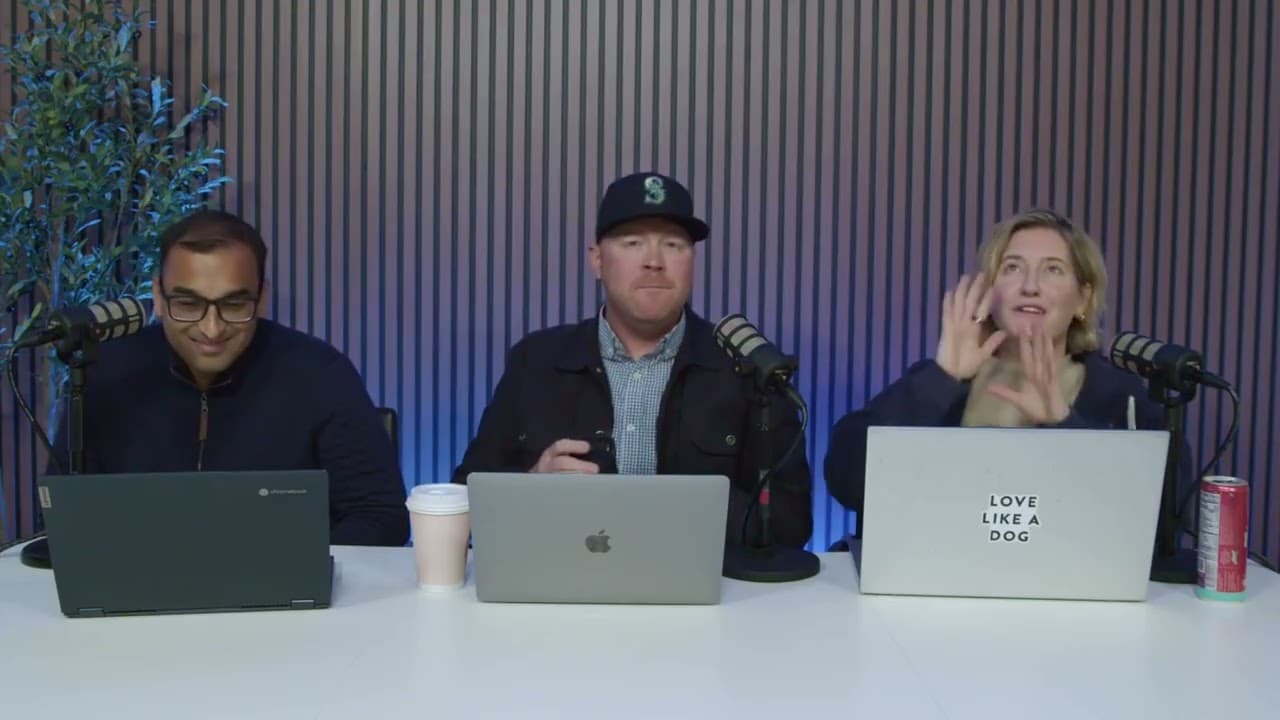
Are you interested in flipping a house but have questions? Then this is the episode for you! Join our hosts Christian Nossum, Shannon Nossum and Joanna Beecher of the Awesome Nossum Group at Wilson Realty Inc as Joanna interviews Christian and Shannon about Flipping houses. We will answer questions about budget for purchasing and renovating a property, how do you determine the after-repair value (ARV) of a property, what are key things to consider when flipping a property, what permits are required for flips, how do I find and hire reliable contractors, and many more questions!If you like listening to the Awesome In Seattle Podcast, leave us a review. We would love to hear from you!
Read full transcript
Christian: [0:01] Hello, hello, and welcome to another episode of the Awesome in Seattle podcast. This is your host Christian Nossum with the Awesome Nossum Group at Wilson Realty Exchange, Inc, and today I am joined with-
Shannon: [0:09] That's a lot of words … Speaker: so fast. I got a lot of coffee in me today, guys. Brr. Cha.
Christian: [0:14] I have my beautiful wife.
Shannon: [0:16] Hello, hello.
Christian: [0:16] The wonderful Shannon Nossum.
Shannon: [0:18] It is I.
Christian: [0:19] And we're interviewing Joanna Beecher, who is on the Awesome Nossum Group- That's actually
Shannon: [0:22] not true.
Christian: [0:23] She's- Um, she's- I'm interviewing- Oh, no, she's interviewing us … you … totally, yes. Okay, so we're passing the torch to her. She's gonna be interviewing us, and she is gonna be talking about what, Shannon?
Shannon: [0:32] She's gonna be talking about flipping a house. So- Mm-hmm … we've flipped some houses. Joanna is thinking about flipping a house, and so today we are going to talk about all of the important and common questions that people ask when they're gonna flip a house for the very first time. Mm-hmm. And so if you have ever considered flipping a house, or you're just kinda interested in house flipping, or maybe you've flipped a few and you wanna just see what our input is- Yeah then stay tuned and hear all of the common questions that people ask when they're thinking about flipping a house. Yes. I
Joanna: [1:02] have so many.
Shannon: [1:04] I do wanna say- Get ready. … Joanna and I have never, ever been on a podcast together. This is weird. I'm pretty sure, correct me if I'm wrong, maybe once, but it's very rare. No. Because typically if I'm with Christian- Yeah, maybe once … either you're with Christian, or I'm with Christian, and we're rarely together 'cause we usually have different guests.
Christian: [1:18] 130-something-plus episodes and you guys have never been on together. This is weird.
Joanna: [1:21] Right. Maybe
Shannon: [1:22] one. We're not gonna be able to talk at all. We're just gonna be-
Christian: [1:23] I know. I know. I'm like Clearly I'm, like, trying to fit in here and there.
Joanna: [1:26] Christian, bye. Okay, here we go. I am not needed. Let's get started.
Shannon: [1:30] You just get out. All right. Yeah. Um, I, I do wanna preface this first. We are not the biggest… There's obviously in the Seattle area some absolutely incredible flippers- Yeah who are mentors of mine. They have flipped hundreds and hundreds of homes. We have not- We've done- … flipped hundreds of homes … a handful of homes. We've done a handful. We've helped a lot of clients flip homes, and we're around it a
Christian: [1:50] lot. But we're kind of experts because we were just on a TV show-
Shannon: [1:52] Oh my gosh,
Christian: [1:53] yeah for flipping a house, so therefore we are- … a worldwide sensation-
Shannon: [1:57] Yes … and experts. Our life's about to change. Yes. We won't be able to go get Starbucks without- Yes … the paparazzi.
Christian: [2:01] Yes. No,
Shannon: [2:02] fun
Christian: [2:02] times. We were… And to say, we will, we should say.
Shannon: [2:04] It is kind of a, I mean, it's kind of cool. It is kind of cool. We were just on TV,
Christian: [2:06] yeah. Yeah, on A&E's Million Dollar Zombie Flips. Yeah, it was pretty cool, so.
Joanna: [2:11] It's very exciting, and honestly, from someone who's never flipped and works with you guys on- Mm-hmm … a regular basis, I think you're the perfect people for me to ask these questions to, so that's why I want to do it.
Christian: [2:25] What questions- Yay you got? Start firing them away. Ugh.
Joanna: [2:28] Here we go. Here we go. Okay. All right. First things first. Yeah. You know, when you're buying a home in general, even a flip, you wanna know what your budget is. So what is my budget for purchasing and renovating a property?
Shannon: [2:41] That is a great question. So first thing, I think, before that is what is your buy box, as in what can you afford to buy- Mm-hmm as your flip? And I think the way that you figure that out is either how much cash do you have? So let's say you're using, a lot of people who are first-time flippers are using equity from, like, a pri- previous real estate transaction, or they're using, what is it called, HELOC- Mm-hmm … um, to access- Heloc it is, yep equity that they have in a property, and they're using that as their down payment. Or, which is what we did at the beginning, and maybe you might do this, I don't know, they have a money partner. Mm. So they have someone else who is going to provide the cash-
Joanna: [3:20] Mm-hmm … Shannon: to be able to fund the project. So how much cash you actually have for a down payment is gonna be a real big determiner of what you can actually afford. Typically, when you're getting a hard money loan, which is the way you might finance, which we can talk about- Most likely … you'll want about 20% of- Mm … the purchase price- Yep … of the property. So-
Christian: [3:39] And so when you get that hard money loan, you'll put that down payment down. They will usually fund the rehab costs. So let's say you're buying a house for 700,000, you're putting 20% down. They're gonna give you, let's say, 150,000 or 200,000 or whatever, 75, whatever your number is- Mm … for the budget, and that will kind of determine, like, hey, how much can you qualify for? With a hard money loan, it's more dependent on the actual property.
Shannon: [4:07] Yeah. Okay.
Christian: [4:07] What's the ARV, meaning the after repaired value of the property, and you kind of work backwards based on that
Shannon: [4:14] Yeah, so if you, let's say you have, and help me with this math, let's say you have- Mm-hmm … 200,000, which is great. Mm-hmm. You wanna look at, I can use this 200,000 as a down payment.
Christian: [4:25] Mm-hmm. That'd be a million dollar purchase.
Shannon: [4:26] But- Solid … you actually have a little bit less than that, because while you're actually flipping the house, you have to pay for- The monthly … the monthly interest on the loan. This is
Joanna: [4:36] important to know. So,
Shannon: [4:38] yeah. Mm-hmm. Because- So you don't wanna use up all the money- I think we forget about that you don't wanna use up all your money on the down payment, and then they're like, "Okay, now where is our, our interest payments?" Mm-hmm. Yep. So you're gonna wanna talk to the hard money lender, find out what this looks like, and then how much money you have, that'll equate to what kind of a purchase price you can do.
Joanna: [4:57] Okay. Follow-up question. Yep. Where do you find hard money lenders? Hmm.
Christian: [5:02] Great question. So there are a few really good ones. So we're currently in the Seattle area. Yes. So in the Seattle area, there are some really good ones. There's also some shady ones. So you wanna make sure that you do your due d- diligence. Mm-hmm. They can always reach out to us, and we will recommend some people based on your situation and what you're trying to do. Some are great at funding data construction as well as the rehab. Some of them don't do that. Mm. Some lean more towards doing, you know, just the rehab, just doing a flip.
Shannon: [5:31] Yeah, and I would say if you're thinking about flipping, we're happy to send you kind of our favorite hard money lenders that we have used, or that our clients have used, and they, they're all gonna be different. Sometimes they're gonna want to … It's gonna be hard for them to tell you exactly the numbers until you have a deal in place. Yep. 'Cause they, hard money lenders don't care as much about what your situation is. Yeah. They don't care about your W-2. They don't care about-
Joanna: [5:56] Your credit
Shannon: [5:57] necessarily … necessarily all these things. Yep. They care more about the deal. Mm-hmm. And so you can get ballparks from them, like, "How much approximately is your interest?" Mm-hmm. Or, "How much usually do you have people put down?" Or, "Let's, let's say a scenario like this," and it's, you know- 20% down, 10% interest, two points. Mm-hmm. Points are what you have to pay-
Christian: [6:16] For the loan upfront
Shannon: [6:17] for the loan upfront, so two- 2% of the purchase price.
Christian: [6:21] Mm-hmm.
Shannon: [6:22] And then they can give you a ballpark of what that monthly payment might be at that purchase price. So-
Christian: [6:25] Yep. That said, sometimes the lender will also allow you to wrap the monthly payments into that loan amount. It really just- We have done that if they're super- You could go a million different ways with this, so it's hard to give you- Mm … an exact answer. Right.
Shannon: [6:39] Okay. That's called interest reserves. Mm-hmm. So if you wrap in the monthly payment, but often when you're first starting, they're not gonna let you do that.
Joanna: [6:46] Okay.
Shannon: [6:46] Unless you have a partner that's experienced and- Yep they're also on the loan. But-
Christian: [6:50] So this is a hack that you can use, is partnering with someone that does have experience, because hard money lenders will give you better rates, give you better terms if you are experienced. So if you're a first time flipper, uh, you're probably gonna save some money and a lot of headaches by partnering with someone- Mm that has experience versus trying to do it all on your own.
Joanna: [7:12] Yeah.
Christian: [7:12] If you wanna do it on your own, go for it, just know that you're gonna learn a lot of mistakes along the way.
Shannon: [7:18] Mm-hmm.
Christian: [7:18] Or you're gonna have a lot of mistakes and learn from them hopefully, and you're gonna pay more for that hard money loan, um, just 'cause that's the way it is.
Shannon: [7:25] Yeah. I was gonna say, one more thing about shopping for a hard money lender while we're on that subject. Mm-hmm. Different ones do have different processes for the draws. Yes. So a draw is, like, when you get a certain percentage of the money. So if you have a $100,000 budget for rehab, you're gonna take parts of that as the process goes. At different
Christian: [7:44] times.
Shannon: [7:44] Yeah. So maybe I want 25,000 to pay the contractor. The hard money lenders have different methods for- Mm … how they have you ask for that money, how difficult it is, how long it takes. Mm-hmm. And so these are questions to ask them to find out. Some- And the
Christian: [8:00] differences could be-
Shannon: [8:01] Yeah, I was gonna say, some have you just take a picture, and they're, like, fine with that- Mm and describe what they're seeing. Some actually have people that come out to the property-
Christian: [8:09] Mm-hmm … Shannon: and look at it and wanna see that, so that takes longer obviously-
Joanna: [8:12] Right … Shannon: to do it that way. Yeah.
Christian: [8:14] Yep. So it can be, that can extend how long you're going to have to have that project, which means- They're making more money off your interest.
Joanna: [8:21] Yeah, that's not good.
Christian: [8:22] No. I don't like that. So understanding- Yeah, yeah … this process and the pros and cons of what different lenders do, that's a good question to ask is how does your draw process work?
Joanna: [8:29] Okay. Okay, good to know. You did s- bring up something called ARV.
Christian: [8:35] Mm-hmm.
Joanna: [8:35] How do you determine your ARV on a project?
Christian: [8:39] Fantastic question. So ARV stands for after repaired value. So that means what is the property gonna be worth after you rehab it? Mm-hmm. How you figure that out is, first, you have to understand what the area that you're buying in, what are the comps, meaning the comparable properties, what are they selling for? And not only what they are selling for, but what are they doing? Do they all have primary bathrooms with giant primary suites with attached bath, giant walk-in closet, all these things? Or is it just like there's- it's a two bed, one bath, and everything in the area is a two bed, one bath? So you- I guess how I'm saying this is, or what I'm trying to say is, rehab the property to the comps in the neighborhood.
Joanna: [9:27] Right.
Christian: [9:28] Don't overdo it. Don't underdo it. You gotta, you gotta rehab the property to the comps and what they are selling
Joanna: [9:34] for. Like, find out where the value is before you- Go too hard Yes. Essentially,
Shannon: [9:40] yeah.
Joanna: [9:40] Yeah.
Shannon: [9:40] Um, we forgot an important step 'cause we all do the job that we do.
Christian: [9:44] Mm-hmm.
Shannon: [9:44] Your agent is supposed to- Help you with this really be a huge s- part of that process. Yes. Yes … if you have an agent that's helping you, when you're thinking about buying the flip, they are going to pull comps, they're going to tell you what the ARV is, they're hopefully going to tell you information about that. Like, "Hey, I noticed that, you know, they all have open layouts, so are you able to do that, achieve that- Mm-hmm with this house?" Mm-hmm. Or, uh, you know, X, Y, Z c- uh, scenarios that the house might need to have to reach a certain price point. But your agent is gonna be, we are the agent, so we're talking as if- Yep Yes … how we're technically gonna figure that out. Obviously, you as the investor need to do your- Be familiar, yes own information. Yes. You need to look at it too. Yep. But your agent is gonna be a huge thing to lean on and find out what they think and what they say the ARV is. But as far as on the agent side, when you're looking to, to comp a property, and if you're an investor and you're comping yourself, 'cause you always wanna double check- Mm-hmm you're gonna wanna do a search, um, based on the area, right? Mm-hmm. And then you're gonna wanna make sure that you are thinking about busy streets and things like that, because if you're on, like, a double yellow line street-
Christian: [10:53] Mm-hmm, that's a busy street … Shannon: that's a totally different comp than, like, a side street. Mm-hmm. So you wanna find- Or a cul-de-sac or something super quiet … Shannon: yeah, you wanna find homes that are really similar to the scenario that your house is in, similar square footage for what it's going to be, right? Mm-hmm. So maybe it's 1,000 square feet now, but you're finishing that basement off, that's 800 square feet, and now it's gonna be- Right 1,800. Yeah. You're looking at comps in that 1,800 range, and you wanna find stuff that's nice 'cause you're gonna put out a nice product. Yep. So you wanna see what does a house look like that's been remodeled, and what does the price look like after it's been remodeled. So it's not always easy, though, in Seattle, to find- It's tough enough houses- No … that are nice enough, and sometimes you have to go a little further back in time or a little further out in space- Mm-hmm … or a little bigger, a little smaller, to try to find your comps. Yeah. And I will add, too, comping is much for- more of an art than it is- Mm-hmm … a science. 100%. Like, there is not a perfect comp out there.
Shannon: [11:50] Mm-hmm.
Christian: [11:50] Unless you're in a condo, which- The same stack, the same- Yeah … like 302 is the same as 202, which is the same as 102, 'cause it's the same floor
Joanna: [11:59] plan, the floor layout. Could have a slightly different
Shannon: [12:00] view.
Christian: [12:01] Yeah. Who knows? Slightly different view, but not much. Yeah, very close. It's all pretty much the same. But houses, even in these, like you go out to the suburbs and they build the same house, like every third house, then you can maybe get away with that. You're gonna find a better comp, but even then you're gonna have it a little different yard in a little different location in the plat. So yeah. But
Shannon: [12:18] go check with your investor friends, too. They're happy- Mm-hmm … to like look at stuff. You're like, "What do you think the RV would be of this?" Mm-hmm. And we're lucky, we're on a team, so we can always- Yeah … all look at stuff. Right. But if you're just a single person, it's good to ask other people.
Joanna: [12:31] Yeah, good to find your flipper friends, investor friends. Mm-hmm. Yeah. So when talking about comps, you know, and talking about differences in some things, this is a good part to ask the question: What are some key factors to consider when you're looking to flip a house?
Christian: [12:48] Key factors. So there's some things that are just super expensive to repair on a house. A really messed up foundation is going to be potentially very expensive. And so if you're not getting it for a price that factors that in, you might not want to take on that project. How-
Shannon: [13:07] I, I was gonna say square footage is huge. Mm-hmm. Mm-hmm. Because flippers generally don't like to add on or go up. I know it seems like you should, especially in Seattle, these houses are little.
Christian: [13:17] Mm-hmm.
Shannon: [13:17] Generally they don't like to do that. Why? Is because permits.
Christian: [13:21] Yep. The permit process
Shannon: [13:22] can take-
Christian: [13:23] The permit process- … Shannon: forever … can take a really long time to add on, even if you're adding on, like that main floor. If you're trying to go up though, you're gonna have to fix the whole rest of the house, get that- Yeah foundation reinforced. Yeah. You have to add that weight. It's- Yeah … it's not, it's not typically something flippers like to do, 'cause there's too many unknowns in it. Mm-hmm. So looking for unused square footage is a really big way to find that equity. Yeah. One caveat to that though, we had Raleigh Pappas on one of our episodes. Mm-hmm. We nicknamed him the Dormer King- Oh … because you can add up to 200 square feet with a dormer. So in Seattle you can get an over-the-counter permit called STFI permit very quickly, within, you know, days or a couple weeks at the most, if your span, so if you're opening up a space under or 14 feet or less. So if it's smaller than that, and it's under 200 square feet that you're adding, you can get that permit very quickly. So if you're i- buying a house that has, like, a pretty steep-
Shannon: [14:24] Mm-hmm … Speaker: attic space that you can stand in, but it's, you know, you can't go very far on the sides because it's so steep, you could potentially add that dormer, pop it up, and add a lot more square footage to the house without getting those super long permits that- Yeah take forever. That's a good point. Yeah. So it's, it's about finding a way to add the value. Mm-hmm. And a lot of times it's either unfinished square footage- Yep … or underutilized square footage. Yes. Mm-hmm. And so those are the key points. Obviously, there's a lot of houses that just look old, and on the- Just need a cosmetic update just the cosmetic. Yeah. But the real value's gonna come when you change either the layout or you add some additional space to the house.
Joanna: [15:04] Okay. And as far as, like, I know we touched on this when we talked about what kind of money you'll be using to get into the flip, but I think that directly correlates with the timeline. So what is a typical timeline or an ideal timeline to get into the flip, flip it, and be done with it?
Christian: [15:26] And exit. Yeah.
Shannon: [15:27] Yeah. Good question. So the, the first thing that's easiest to find out is the time that you might be on the market. So y- people forget this all the time. Mm-hmm. When they're doing their timelines, they are not thinking about you have to be on the market for a certain amount of time, your house, once it's done. Then you have to wait a month, typically, for it to actually close. You're still paying. So
Christian: [15:46] once you actually get an offer- Mm … and you accept it, it's going to be another 30 days, on average, before it's actually closed and you actually don't keep making that monthly payment. Yeah.
Shannon: [15:54] Correct. So you wanna look at that area again in your ARV search. How many days on market are these houses? There's some neighborhoods that- What's the average? Yeah … it's, like, pretty typical for things to be on 20, 30 days. Mm-hmm. And, like, they end up selling for the list price, but it just takes longer. A while,
Christian: [16:08] yeah.
Shannon: [16:08] Mm-hmm. So if that's the case, you know, "Oh, I gotta add a month of market time and a month of closing time- Mm-hmm to your timeline." Right. The next question is how big is this rehab gonna be? Yeah, what's the
Christian: [16:19] scope of rehab? Mm-hmm. ' Shannon: Cause some flips take 10 to 12 weeks, which is super fast. Mm-hmm. And some flips take a year. Mm-hmm.
Shannon: [16:27] I would say the average flip takes six months. That seems to be, like- Yep … the typical thing. If it's a much bigger, like, layout change, you might be looking at, like, eight months. But some people get it done super fast. So it's, it's hard to say, but I would say average is about six months. But l- definitely look at those days on market. Add that on to whatever your construction time is. And then you know as an agent, like even the moment they're done with construction, you gotta clean, you gotta get photos, you gotta get staging, you gotta get your marketing prepped. So that's another, like, couple weeks.
Christian: [16:58] Yeah, or week or two.
Shannon: [16:59] Or a week at least. Yeah, yeah. So these are some of the… And so it's gonna be a little longer than you think. Yeah, there's always hiccups. I mean, it would be great- Yeah … to have everything go smooth and be the perfect timeline, but typically- Mm-hmm you're at least a week late- Yeah … most of the time.
Christian: [17:11] At least.
Joanna: [17:12] Okay. Yeah. That's good to know. Okay, so what are the common pitfalls to avoid when flipping a house for the first time?
Christian: [17:21] Mm.
Joanna: [17:22] Some- like a big… What's… Each of you pick a big glaring one that you remember.
Shannon: [17:27] Hiring the wrong contractor.
Christian: [17:28] Yeah. That's- that's number
Shannon: [17:31] one.
Joanna: [17:33] Number one.
Christian: [17:33] Yeah.
Shannon: [17:34] So- Number one and million I feel like this- this one really hurt. Yeah. Number one million. Yeah. Yeah, do you have a different one?
Christian: [17:38] Taking on too big the very first time.
Joanna: [17:40] Mm.
Christian: [17:41] Um-
Shannon: [17:41] That's a good one. I would also say having the wrong ARV.
Christian: [17:44] Yeah. ' Shannon: Cause you could do everything right, and if your ARV is wrong when you go to sell it, you're not gonna make any money. Mm. Which is gonna feel like a failure anyway. Oh, oh
Joanna: [17:51] yeah- Mm … that'll, that would be a bummer.
Shannon: [17:52] So I would say those are, like, the top three, but contract, picking the wrong contractor is gonna destroy your whole deal.
Joanna: [17:57] Why is that, like, such a big flop? I mean, I can make my inferences obviously- Yeah … but, like- Yeah maybe for people who don't know why.
Christian: [18:04] Yeah, so for example, our last flip, we interviewed 17 different contractors. Wow. It took a long time to find the one that we chose.
Joanna: [18:13] Mm-hmm.
Christian: [18:13] They can really screw you over in lots of different ways, both in cost and time. Mm-hmm. And that's, that's what it really boils down to. It's like, are they gonna add all these change orders, which you'll have a scope of work that you need to create upfront.
Shannon: [18:27] That's your list of things you want done-
Christian: [18:28] Yes … Shannon: at the house- Got it … to make it nice. Okay. And this is how you can, as a first time flipper, it's a lot of work, and especially if you don't really know what you're doing. This is why it's really nice to partner with someone that does, to help you build that scope of work out. 'Cause you can go, "Well, all I'm doing is just opening up that wall between the kitchen- Mm-hmm … and the dining room." Okay, yeah, that is all you're doing, but is that a load-bearing wall? Is it a span larger than 14 feet? Are there some ducts, like air ducts, like heating and cooling ducts, or electrical or something else going on- Plumbing … in that, plumbing, whatever it is, in that wall? 'Cause there's a domino effect with a lot of the things that you're choosing to do. So it, if you don't have an experienced contractor that knows how to do this, that can really hurt you in financial and time, and time is money, as we all know.
Shannon: [19:20] Mm-hmm. Yeah, I mean, the contractor can just, there's, not to be scary, but there's lots of stories of contractors just taking the deposit and running away.
Joanna: [19:30] Ah.
Shannon: [19:30] Mm-hmm. I mean, it's just, that's- Mm … that's the reality of the scenario. That happens more than you- That's- … would think. Awful. There's stories of people, even experienced flippers hiring- Yeah fake contractors- Ah … who used fake names. And-
Joanna: [19:41] I didn't even know this was a thing until you just said that. Yeah. I hate that. What is- Yeah … like,
Shannon: [19:45] what's the-
Joanna: [19:45] How
Shannon: [19:46] do you prevent that? Yeah. How you prevent that-
Christian: [19:49] Mm-hmm … Shannon: is by looking up on L&I, making sure that the number, you want their contractor license number. Mm. You want their bond information. You can actually go online, double-check- Got all those numbers … that they are who they say they are, that they have their license, that it is currently active. And then you want a list of people that, um, have worked with them in the past, and you wanna actually call those people- Yeah and talk to them. And you wanna go walk a job site of theirs that is currently under construction or- Mm … is almost finished, to kinda see the quality of their work and make sure that they actually are a contractor.
Joanna: [20:21] Right.
Christian: [20:21] Yeah.
Joanna: [20:22] Oh.
Shannon: [20:22] So those are some of the things you can do to help yourself. But yeah, every, the wrong contractor is gonna- Mess up your budget and mess up your timeline.
Christian: [20:30] Mm-hmm.
Joanna: [20:30] Okay, well so you hire a contractor, but you say you have to have your, you know, your list of things that you want done. How do you accurately estimate what you're going to be paying for the changes that, like the updates that you want to make basically- Mm … including labor and materials? Like is all- Yeah of that included?
Shannon: [20:53] Yeah, so this is, I-
Christian: [20:54] This is the biggest thing.
Shannon: [20:55] This is the thing that I think is the hardest for new flippers. So when you- And
Christian: [20:59] not new flippers-
Shannon: [21:00] Not even new flippers … for everyone. Ultimately, the goal is to have a document that says every single thing you could potentially have wrong with a house- Mm-hmm and then to have a price next to that. Like on average, it costs this much to switch out a window, and this is how much the material costs, and this is how much the labor costs. That is the ideal thing you would want to- Mm-hmm … eventually fill in for yourself as a flipper. Mm-hmm. So that when you walk through a house, you have your big list and you're just clicking off things like, all right, it has 20 windows. I have this many doors. I have this many this. So that's how you would ideally do it. When you're first starting, it's really hard, 'cause you don't know how much a door costs. Mm-hmm. You don't know how much a window costs, and so that's the annoying part is either you can partner with somebody who has these things and they give it to you, or if you're just starting and you don't have that access, you can have contractors walk through, like we had 17 come through- Mm-hmm and you can just ask them questions. "Hey, how much does it usually typically cost for, uh, how much, what's your cost for a door? How much does it cost you to install a door?" And then you know. Mm-hmm. And then the next guy, you're going to ask three more questions to. Mm-hmm. And the next guy, you're going to ask three more questions to, and you're building- Yeah that list for yourself. Mm-hmm. So you know a water heater costs this, and a new panel costs this, and a, you know-
Christian: [22:14] And a roof costs this, and- Yep … all these different things. It's- Very difficult to build this out.
Shannon: [22:20] Mm-hmm.
Christian: [22:20] Another option you can do too is to pay a mentor. There's a ton of different mentors. In our area, we are so lucky and blessed- So
Shannon: [22:29] lucky
Christian: [22:29] that we have some of the top real estate investors and flippers in the nation in our backyard-
Shannon: [22:36] Mm … Speaker: that have training courses that you can pay a lot of money to join. They're not cheap, but you can save yourself that much, if not more, by- Yeah … paying to be a part of those. Also, if you have a broker like us who works with a lot of flippers, like we have these created already. We know how much- Mm … these things cost. So, um, you don't have to go out there and create it yourself if you don't want to, but you also can get bids from these contractors. Yeah. Have them itemize it, though.
Christian: [23:01] Yes, that's the big thing. Oh, that's good, yeah. You need it to be itemized, otherwise it's just- Yeah gonna be like, "Well, this is gonna cost 200 grand to do this," and you're like-
Joanna: [23:07] But why? " Speaker: Cool." Yeah. What are you doing for that $200,000?
Shannon: [23:11] Yeah. Yeah. So you want them to separate everything out.
Christian: [23:13] Which is a pain, and they don't want to do that 'cause it takes them a lot of time.
Shannon: [23:15] Yeah.
Joanna: [23:16] I get that,
Christian: [23:16] yeah. And they don't necessarily have the time to do that. Right. Contractors are good at doing the work, generally.
Shannon: [23:22] Yeah.
Christian: [23:23] That's why they do that. That's why they get into that line of work. They are generally not great at making money- Running a
Shannon: [23:29] business,
Christian: [23:29] like the- Running a business … the running
Shannon: [23:30] business
Christian: [23:31] things … doing, yeah, even g- asking for payment.
Shannon: [23:34] Mm. Oh.
Christian: [23:34] We've had, we've, we've like had our last contractor, we-
Shannon: [23:37] We've sh- we've shoved a check in his face. We're like- Yeah … "You need to take this money." Yes. "You haven't asked for money for a long time. This is how much you need to take."
Christian: [23:44] Mm-hmm
Shannon: [23:46] Wow.
Christian: [23:46] Yeah.
Joanna: [23:47] Yeah. I'm like, if that doesn't knock up your, um-
Shannon: [23:51] Yeah, again-
Joanna: [23:52] Yeah, I'm like- It's, it's
Christian: [23:52] funny how
Joanna: [23:53] that works … money for services, thank you. Um-
Christian: [23:55] You would think that'd be top of mind for them all- I- but it's not. Like- Especially
Joanna: [23:58] with them fake contractors feel, stealing money Well, that's
Christian: [24:01] a good way to know- I don't know if somebody- … you don't have a fake one- Yeah … when they're not hounding you for-
Joanna: [24:04] Right … Speaker: payment. ' Joanna: Cause they're- Mm-hmm … too busy working. Yeah. Yep. So what permits and inspections do you typically need when starting a flip?
Christian: [24:15] Hmm.
Shannon: [24:15] There-
Joanna: [24:16] Or during … Shannon: this is such, this is such a hard question. Yes. I bet there's a lot.
Shannon: [24:20] So- That's
Joanna: [24:20] what I feel.
Shannon: [24:21] Yeah. I'm gonna start with- Or not … some- The reality is there's some flipper who, flippers who don't get permits, and there's some flippers who get permits on some jobs and not on others. Mm-hmm. That's just the reality. Mm-hmm. So when you look, it doesn't mean the work wasn't done well. Actually, most flippers try to do the work up to code so that if they ever do get caught, then they won't have to- It's not that hard … redo the work. Yeah. So I'm gonna preface with that. Don't, don't feel like that means, "Oh no, these houses are scary." No, it's typically they do it well because if they get caught, they don't want to redo it.
Christian: [24:52] Mm-hmm.
Shannon: [24:53] So the reason they don't get permits is 'cause timeline. It takes longer. When you're going through the permit process, it's gonna add, and this is another thing you're gonna have to add on. If you're like, "I'm, I don't, I don't feel comfortable not getting permits, I'm gonna do the process the right way," you're gonna add on some time.
Christian: [25:10] Mm-hmm.
Shannon: [25:10] So how much time? And the reason
Christian: [25:11] why is because when you're getting permits, you have to- You can't do anything … wait for the permit, and you can't do anything until that come. Well, you can sometimes- Correct … but you can't do what they're, what you're waiting the permit for. You can't
Shannon: [25:21] really do anything till
Joanna: [25:22] you get your permit. Could you ideally, in an ideal world, make a timeline to work on things that don't need permits while you wait for your permits? Mm-hmm.
Shannon: [25:31] So you're not really supposed to demo even until you have your permit. I think you can get a demo permit. A demo permit, yeah. We haven't actually had this scenario happen, 'cause typically we try to stay with our projects in the STFI, subject to field inspection, type of permit.
Christian: [25:46] In the city of Seattle, yeah.
Shannon: [25:47] In the city of Seattle. So there's some permits that if you're doing some major, major changes to, like, the layout or the structure of the house, you're gonna need a more intense kind of permit. The permits we typically like to do are the over-the-counter STFI permit.
Christian: [26:01] Code. Yep.
Shannon: [26:02] So we usually get those pretty fast, I think within, like, a week or so of submitting. So we don't need to start doing anything- Mm-hmm … until- So you can
Christian: [26:09] wait a week.
Shannon: [26:10] It does take longer throughout the process, though. Mm-hmm. Because you, let's say you're doing plumbing and you're doing electrical, those are separate thing- They need to come in, and they need to look at
Christian: [26:19] the work. Yeah, the city inspector actually has to come out. And so even though the work's ready f- to be signed off, you might have to wait two, three, four, 10 days, two weeks, three weeks for the inspector to come out. And-
Shannon: [26:29] That's not that long, no. It's usually within a-
Christian: [26:32] Hopefully it's not that long Three days or
Shannon: [26:33] so.
Christian: [26:33] Mm-hmm … usually it's not that long, but it could be.
Shannon: [26:35] Mm-hmm.
Christian: [26:36] And so you have to have, you have to not do work leading up to that. You can do other work, you just can't finish, like, if it's plumbing, you can't put drywall up- Do a wall, yeah … and cover it all-
Shannon: [26:46] Yeah … Speaker: until it's been signed off. So they give you permission to put the drywall up. They're like, "You have permission to cover now." Mm-hmm. Um, and so- And you have
Joanna: [26:53] to do that- There's also- … if plumbing and electric is involved, correct?
Shannon: [26:56] Correct. Yeah. That's- And so-
Joanna: [26:58] Yeah … Shannon: they also, this happens, even with good contractors, they c- might come out and be like, "Oh, there's a tiny little issue that- Mm you need to fix," so then now you can't move to the next step because the plumber needs to come back out. Plumbers are, plumbers- Easy … and electricians are, like, the kings of the flipping contractor- Yeah. Mm-hmm … Shannon: scenario, and so they are often not available, like, the next day, and they'll come out when they can, and then they fix it, and then you have to wait for the inspector to come back out. So it's like, you can see how this can- Yeah … create, like- Snowball … a snowball of timeline. Yeah.
Shannon: [27:28] But yeah, I think for people's, like, first deal, I would avoid those really intense layout change, structural change type projects because you are gonna sit there and wait for four, five, six, maybe, months for a permit to be able to do what you need to do. That might include, if you're doing bigger stuff, that's gonna include retrofitting too probably. Mm-hmm. So you just need to be aware of that change.
Joanna: [27:53] So if you're doing a project that's mostly cosmetic, like one we were just looking at actually, and you do know you wanna make some system changes, like an electric change- Mm. Mm … and a plumbing change, but you're not gonna tear down any walls. Mm-hmm. Let's say you're just switching out galvanized pipes for PEX pipes. Mm. Is that something that you need to get a, a permit for? Yes.
Christian: [28:15] Yeah. Okay. And you can get those STFI over-the-counter quick permits for that. Okay. And the plumber- 'Cause you're
Joanna: [28:20] not tearing-
Christian: [28:21] The plumber will get it- things down … for you. Got it. They'll know exactly what to do, how to do it, how quickly to do it, and all that stuff.
Joanna: [28:27] And the same with, like, an electric box. The electrical. If you're-
Christian: [28:30] Yep … Joanna: updating the electrical box- Mm-hmm … and the wiring- Yep … Joanna: obviously in the house. Yeah So in the City of Seattle too, this is a good thing to say, if you're upgrading the panel to a larger panel- Mm it could take, Ci- Seattle City Light or Seattle Public Utilities is known to take a long time to get upgraded wiring to the house, or even new wiring if you're doing new construction- Mm-hmm … to the property. So you gotta factor that in- Yeah … and lean on your electrician for the current timelines- Okay because they can get longer or shorter depending on-
Shannon: [29:03] Mm-hmm … Speaker: you know, how busy they are. Got it. But you'd be surprised, I think a lot of people when they're looking at cosmetic projects, they don't really realize that- If you're changing even slight things, like maybe I want the oven over here instead of where it is, now you're changing the electrical layout of this house. Mm-hmm. So there's a lot of, um, chain reaction from- Right … even cosmetic updates that you don't really realize. Yep. Like, "Oh, we want the light switch here now," or it's, "Oh, we're adding in light fixtures. Now we need a different light…" There's just a lot of little tiny things that tend to s- to snowball, even with cosmetic updates.
Christian: [29:37] Yeah. And again, lean on your hired expert to, to help you with that, 'cause the plumber and the electrician are gonna know that stuff, or they should know that stuff.
Joanna: [29:46] Okay. Yep. So how do you guys suggest finding reliable electricians, plumbers, things like that?
Christian: [29:57] Mm-hmm.
Shannon: [29:57] This is the hardest- Day laborers, perhaps this is the hardest part of flipping. Yeah. Hands down, finding people to do the work at your project- Mm-hmm … is the hardest part of flipping, and finding them at the right price.
Christian: [30:08] Yeah.
Joanna: [30:08] Yeah,
Christian: [30:08] yeah.
Shannon: [30:09] So that's-
Christian: [30:09] I mean, you can find people, but they're- Right … might be very expensive.
Shannon: [30:11] Yeah. This is how flippers make money, is their ability to get things done for less money than the typical homeowner. Mm-hmm. This is why they are creating this profit- Yep … is through that. So finding a general contractor is one of the most difficult things, and it continues and will always be probably- Mm-hmm … one of the most difficult parts of flipping because even if you use somebody, you find them and they're great, what tends to happen is after, and I've heard of this from a lot of people, after a couple years, all of a sudden prices start to go up or quality starts to go down, or they start to not quite do it as fast as they used to do. Mm-hmm. And so then you gotta find somebody else who can do it.
Christian: [30:50] Yeah, you have to have a bench- It's just like constantly going … of contractors- Mm-hmm … or subcontractors ready to go. So you're, you're constantly building this, this bench of, of people to do the work.
Shannon: [31:02] Yeah. So if you're a client of ours, you could ask us for a referral. Mm-hmm. We can help out giving you some ideas of who you might be able to work with. Mm-hmm. You can also ask other investors. They might not tell you, but you could try. Yeah. Oftentimes that's very close to the chest and they don't wanna- Mm-hmm … you know- 'Cause it's hard to find them … it's hard to find them. It's a
Christian: [31:19] lot of work.
Shannon: [31:20] Um,
Joanna: [31:21] you don't wanna… It's like when you find a really great restaurant and you always wanna get a seat, so- Mm-hmm Yeah … or a great hairdresser. Yeah.
Shannon: [31:27] If you do see people, I mean, I've done this, Christian knows, he's very annoyed by this, but when we're out and we see peop- like a work truck and people are just, like, standing out chatting, I, I go and talk to them.
Christian: [31:37] Mm-hmm.
Shannon: [31:38] Like, "Hi, what do you guys do?" Blah,
Joanna: [31:39] blah- Yeah … Shannon: blah, blah, blah. Mm-hmm. And then I ask too, you can ask the subs. So a subcontractor is, like, the, there's a main general contractor, okay? This is the person you hire to do, like, the whole job, and they coordinate with all these subcontractors. So the plumber- Which- the electrician, the HVAC- If- … the tile guy-
Christian: [31:55] They're the ones hiring all of them and, and- Yeah … bringing them and coordinating
Shannon: [31:56] And coordinating the job.
Christian: [31:57] Yep.
Shannon: [31:58] So you can often ask, like, the tile guy or the drywallers or the framers or whatever, "Who do you guys like to work with as a general? Who do you enjoy working with?" And then you'll get a pretty good idea of who a good general contractor is based on what the subcontractors say- That's smart … who they like.
Christian: [32:15] Or you can even get their, the subcontract- subcontractor's info so that you can hire them for the next job.
Shannon: [32:21] Well, totally.
Christian: [32:22] Yeah.
Shannon: [32:22] That too. Yes.
Christian: [32:23] So it goes both ways.
Shannon: [32:24] But it, but it's the general that's really, really hard to find. Mm-hmm. Right. Plumbers, electricians, yes, but the general's, like, the key.
Joanna: [32:32] Well, yeah, because they're kind of like the, uh, ringmaster- Mm-hmm … of everything that you wanna really- Totally … lean on and- Yep … trust. So that makes sense.
Shannon: [32:39] Yeah. And I wouldn't recommend, this is another thing flippers do sometimes, is they, we did this, I wouldn't recommend it. I was the GC for our very first flip.
Christian: [32:49] Mm-hmm.
Shannon: [32:50] We did a DADU in the back too, so I obviously didn't build that, and it was a very minor-
Christian: [32:54] It was super cosmetic … Shannon: flip. But even in that case, I learned the lessons that, like, oftentimes there's, there's holes in, like- what's happening in the project. Mm-hmm. So maybe I have the tile guy coming, and I have the guys putting the cabinet in, but then there's a transition piece that I need in between these things, and I don't even have anybody to do that. So then I have to go pay exorbitant amounts for, like, somebody to come do this, like, small little thing. Yeah. Mm-hmm. Um, and so oftentimes it doesn't- it takes you a lot of time, and you don't have necessarily the connections, um, with all the subs. And then you're also gonna find that you just have all these missing little tiny things, and you're like, "Who's doing this? I don't even know- Yeah … who does that."
Joanna: [33:32] Mm-hmm.
Christian: [33:33] Or what that is even. Yeah.
Shannon: [33:35] Mm-hmm.
Christian: [33:36] Yeah.
Joanna: [33:37] So one of the biggest pieces of this, I feel like they're all big pieces, honestly, but when you're done with the flip or as you're finishing things up- Mm-hmm … how is the best way to get everything kind of wrapped up and ready for market, ready to sell? What are those, you know, important pieces? Oh, my gosh. I think I know the main one, and it's finding an agent-
Christian: [33:59] Yeah I was gonna
Joanna: [34:00] say- … that can do that for you … yeah. Well,
Christian: [34:01] it's- Also, the last, like- … the punch list items … the last 5% of any project, 5, 10%, whatever you wanna call it, those little punch list things like you said, they take forever.
Joanna: [34:11] Mm-hmm.
Christian: [34:11] It really shouldn't. Always. It doesn't seem like it should 'cause they're simple little cosmetic things, but they can take forever. Mm-hmm. So realize that you've got 90, 95% of the entire rehab done- Now you have all these little things, like weird trim that doesn't match the other one in the other room. Mm-hmm. And y- just weird little things.
Shannon: [34:31] Yeah, so I would say what we like to do when we're pretty close to being done, we like to go out and blue tape. Mm-hmm. And your agent can also do this. Yes. So if you hired us- Lean on your
Christian: [34:39] agent,
Shannon: [34:40] yes … we would come out- Mm-hmm … and we would do this. Christian is scary at blue taping, like the whole place looks covered up. Looks like
Christian: [34:44] a Jackson Pollock painting when I'm done with my blue tape.
Shannon: [34:47] But that- But he notices a lot of things buyers- Yeah. Mm-hmm … he knows buyers will notice this, 'cause it's on the corner and their eyesight's gonna go right here. Mm-hmm, mm-hmm. And you don't want somebody to say, buyers to go, "Oh, I don't wanna buy this house because I see this tiny little thing." Stupid little- And so the work must not be done well. And they will do that. Which you guys know from showing buyers. 100%. They will make this inference from the dumbest, tiniest little thing, but it makes sense, 'cause they can't see what's behind the wall, so they see this little thing and they're like, "Oh, something's wrong here."
Joanna: [35:12] Something must've been done to- Yeah … like, they cheaped out here. Correct. What else did they cheap out on? Yep.
Shannon: [35:17] Yeah.
Joanna: [35:17] It's, yeah, I mean- Creates a
Christian: [35:19] spiral
Joanna: [35:19] of thoughts … it really does.
Shannon: [35:21] Yeah.
Joanna: [35:21] It's not good.
Shannon: [35:22] So you wanna blue tape, and then we like this app, I think it's called Punchlist- Mm … where you just take a picture of the item. Let's say you're missing trim somewhere. You take a picture of it, you say what room it's in, and then you write out- And what needs to be done … what you want to be done, and then you can share this with your, with your contractor. Generally, contractors and subcontractors don't like any kind of tech solution. You just need to print it and bring it over there.
Christian: [35:43] Yep. Don't try
Shannon: [35:43] to sh- I don't know why this is the case, but- I
Christian: [35:45] don't know why either. But it's also good, 'cause then the, the GC will sometimes just, like, tear off the page for each room, and just- And tape … tape it on the wall- Mm-hmm … and say, "This is what needs to be done." And you could do this as well. You don't have to lean on your general for this, but you can do this as well. That's also a really good tip for up front. So if you have, like, a bathroom, for instance You have a floor tile, you have a shower pan tile potentially, you have a wall tile for the shower, and then maybe you have a, a vanity that's a double sink with a different, not tile, but like a quartz or something like that. Mm-hmm. You should, to eliminate headaches up front, print out exactly what goes where. So have a picture of the floor tile and say, "Floor tile." Have a picture- And
Shannon: [36:30] then how it's gonna be laid. Yes, exactly. 'Cause tile's the one thing that you cannot… You really c- I mean, you can undo it, but it's really- It's expensive freaking hard to undo it. Mm-hmm. Yeah. So you wanna make sure to spec- specify, "I want this laid this way." And you can look up all the different ways- Patterns and stuff … things are laid. Mm-hmm. But, like, you want to tell them and show a visual of the way that you want that tile- Mm-hmm … so that… And go check that day. When they're doing tile, go over there.
Christian: [36:54] Yep.
Shannon: [36:54] And be like- Mm-hmm … "Do you have any questions? Do you wanna talk about grout colors?" Like- Mm-hmm … that's the day to make sure you visit if you wanna double-check. Like, especially early on if you have time, go the day they lay tile. But yeah, having printouts is so powerful- It makes- to make sure things are made right It
Christian: [37:08] makes sense … eliminates headaches and questions, and it's gonna make your job easier long-term because they're- either they're gonna call you with a bunch of questions, or they're gonna assume. Generally, when they assume, it's incorrect.
Shannon: [37:20] Mm-hmm. Okay.
Christian: [37:21] You don't want that. And it's like Shannon said, it's expensive to undo tile or- It could be expensive to have it in there the ugly way that you didn't want, because now buyers are like, "God, that's ugly tile." Yeah. "Why did they do it like that?"
Joanna: [37:34] Yeah.
Shannon: [37:35] Yeah, and I like to pick my own grout colors. Mm-hmm. I, you don't always wanna let your tile guy-
Christian: [37:40] Choose.
Shannon: [37:40] Yeah … general contractors are not designers typically- No … so you wanna specify how you want things done, and what colors you want- Yeah … and what you want so that- In fact, you've- … things turn out well … Speaker: that said you might even hire a designer to help you with that.
Joanna: [37:51] That was gonna be another question. I know I've had this asked of me- Mm-hmm and I'm like, "Hmm, I don't know," 'cause I have not yet flipped a house. But if it's seeming like the house is going to be mostly a cosmetic flip, is it more beneficial, rather than getting a general contractor, is it more beneficial to get a designer?
Christian: [38:13] I think it's gonna depend on your skill set and what you're comfortable with.
Joanna: [38:16] Okay. Yeah, I- I mean, yeah, obviously if there's no big systems to be replaced, maybe a designer would be the more helpful person, but I dunno.
Shannon: [38:24] So the, you typically, especially if you're first starting, you probably want a general contractor no matter what. Yep. Even if you're just doing cosmetic stuff. Yeah. 'Cause like I said, there's gonna be these little, little tiny things- That you don't know … that you don't know. You don't have somebody to do that finish work for you.
Joanna: [38:38] Mm-hmm.
Shannon: [38:38] Designers, I think, are great. We actually have one that we can refer out. She's awesome. Mm-hmm. And has helped us with a lot of our projects when we need it. Some of them I design, and some I let her design. It just depends on what project it is and how busy I am at the time. I think if you feel comfortable that you can go on, like, Pinterest or Houzz or whatever, or even @ your comps- Mm … and find- Mm … a bathroom that you like or a kitchen that you like, and you feel like you could recreate this-
Joanna: [39:08] Yeah
Shannon: [39:08] design, people do, I do that all the time.
Christian: [39:11] Yeah.
Shannon: [39:11] I'm like, "This looks nice. I'll just do that." And that's totally-
Christian: [39:14] You need inspiration photos- Mm-hmm. Yeah … is what that's called.
Shannon: [39:16] Yeah.
Christian: [39:16] And you can even go to a store like Floor & Decor with your inspiration photo and say, "Can you help me recreate this?" And they'll do that, and then say, "I need it cheaper," and then they'll go, "Okay, well, here's- it's not gonna look exactly the same, but you could do it like this," and they'll work with you. Or just tell them your budget. They have design experts down there- Yeah … to help you with that.
Shannon: [39:34] Okay.
Christian: [39:35] Um, and that's a free
Shannon: [39:35] service. I've definitely brought photos to them before and been like- Oh, yeah … "Hey, what's the closest tile to this that's under $6 a square foot?" Mm-hmm.
Joanna: [39:43] Okay. Yeah. That's good to know.
Christian: [39:45] Mm-hmm.
Shannon: [39:45] Yeah.
Joanna: [39:46] So here's kind of a curveball- Mm-hmm.
Christian: [39:48] Mm-hmm … Joanna: question that I did not write down, but- Yeah … Joanna: is flipping something that you guys, I know you haven't, you said you haven't been doing it that long. Mm. But is it something that you guys like doing? And do you foresee yourself doing it for a long time?
Shannon: [40:07] Yeah, good-
Christian: [40:07] I think so, yeah.
Shannon: [40:08] Good question. I think early on, so we did our first numerous projects were a house flip and a dadu build.
Christian: [40:15] Mm-hmm.
Shannon: [40:15] The dadu build, I think we enjoyed more, and didn't enjoy the flipping part as much. Mm-hmm. But I think over time, as we've gotten more skilled and- More comfortable just understand the process better, I think we like flipping more and more.
Christian: [40:30] Yeah.
Joanna: [40:30] Mm-hmm.
Christian: [40:31] Agreed.
Shannon: [40:32] I definitely think we'll keep doing it.
Christian: [40:33] Yeah.
Joanna: [40:33] Do you wanna keep building the dadus- Yeah … in the back, too? Or- Yeah,
Shannon: [40:37] for sure. We love building the dadus … Joanna: do you feel like just doing one or the other?
Christian: [40:39] So for us, we hire a general contractor to build the dadu. So it's honestly mostly hands-off, other than design.
Shannon: [40:47] Mm-hmm.
Christian: [40:48] You don't really do much. We'll check in and do our due diligence throughout the process, but-
Shannon: [40:52] A lot of the dadu work is done prior to breaking ground. Yeah. Once it breaks ground, you're like, "We've planned everything out." Kind of hands off. We know where- Yeah every light fixture's going. It's pretty simple. Everything's pretty much done. Yeah. Mm-hmm. Flipping is so much more unknown. So you open a wall, and you just don't know what's back there, and you don't know what the costs are gonna be with that. You don't know anything. And so I think we felt uncomfortable with that early on, um, just- Mm-hmm the unknowns of it. But I think- We've been through it enough, we feel- Yeah … comfortable at this point.
Christian: [41:17] That we can solve the problems. And this is just like anything in life.
Shannon: [41:20] Yeah.
Christian: [41:20] The more complex problems you can solve, the more money you can make.
Shannon: [41:25] Mm-hmm.
Christian: [41:25] So if you're comfortable and you force yourself to get comfortable with solving some very hard problems, you can make a lot more money in life. That's just the way it is.
Shannon: [41:35] Mm-hmm.
Christian: [41:35] Yep. So at least that's my opinion. So the more knowledge you get, the easier it's going to be. Yeah. And that just comes with experience a lot of times, or just empowering yourself with that knowledge.
Shannon: [41:46] Yeah. I, I think with flipping, one of the things of why people prefer flipping over a new development, just in case anybody's kinda trying to think between those two- Mm-hmm flipping is a lot faster.
Christian: [41:58] Yes.
Shannon: [41:58] And so it's a little bit less risky because it's just so much faster. So the market can't change that much in your, I mean, it could, but, like, four months- Mm … how much it changes versus a year, a year and a half how much it changes. Mm-hmm. Big difference. There is definitely more risk in there. And then flipping is also just a lot easier to find. Mm-hmm. So new construction or dadu deals are n- just not that easy to find anymore. Mm-hmm. There's a lot of people looking for them. Mm-hmm. So there's lots of deals we let go of because they weren't a dadu deal, where we could take them now if we wanted to- Yep
Christian: [42:32] as a flip. Because, because we're more experienced and more willing to do it.
Joanna: [42:35] Okay.
Christian: [42:36] Yeah.
Joanna: [42:36] All right. Well, thanks for coming in today- Yes … Shannon and Christian.
Christian: [42:41] Of course. Thanks for having us, Joanna.
Joanna: [42:44] Thanks. You're w- I mean, it's my pleasure, guys. I hope that answers everybody's questions about flips. But yeah, no, I, I found that all very helpful, and a lot to think about- Mm-hmm which, you know, for me, I was already thinking about, but this helped get even more clear- Yep … on different parts of the process for me.
Christian: [43:04] Yeah, it's a lot. Flipping is not easy. People say it's easy and they try to make it sound easy, and all of the courses and products you can buy online about flipping- Mm-hmm they make it sound like it's, "You could do this, you can learn this in a weekend." Yeah. Or, "You can pay $10,000 and we'll teach you everything you need to know." May or may not be true, so buyer beware. But if you work with a good real estate agent, you can get a lot of help. Yeah. And they can… Like, our team, we have, you know, a lot of experience, myself, but also Varun on our team. Great real estate investor in his own right, but also can help assist with that as well, so-
Shannon: [43:40] Yeah, having the right team in place can definitely lower all of the risks that play into- Mm-hmm … into flipping. Yeah. But it's so fun, and I just have to say, like, flipping, one of the reasons I do really like it- Mm-hmm versus new construction, is that it's so- seeing it go from being really ugly to being- Yeah … really beautiful. Yeah.
Christian: [43:58] The before
Shannon: [43:58] and afters are so fun. It is, it is a really, like, ugh, it's feels so good. Yeah. Mm-hmm. And it's so fun to, like, see that transition, so-
Joanna: [44:05] That's why I can't wait to
Shannon: [44:06] do it. I know. Yeah. That's the part that makes me just go, "Oh,
Joanna: [44:09] I love it." Yeah.
Christian: [44:10] And it is, like, it's- it's funny 'cause you start to get attached to these houses a little bit. You try not to, but you do. Yeah. You put a lot of your heart and
Shannon: [44:17] soul- Don't fall in
Christian: [44:17] love with your flips … No, don't. Um, but you put a lot of- Yeah … heart and soul into, and ideas and time- Mm-hmm and- and energy into these projects, and then you sell it and you're like, "Oh, I don't get to go over to that house anymore."
Shannon: [44:28] I know. Yeah. I usually like to go over and I'm like, "Bye." Christian's like, "You're annoying," but- You're weird. All right … I'm, "Bye. I miss your house." I might be
Joanna: [44:35] the worst at it because I get attached to the houses my clients buy now. Mm-hmm. I know. So I can't even imagine- I know … doing it all from, you know, just beginning to end and- Yeah.
Christian: [44:46] Mm-hmm.
Shannon: [44:46] Although, then you get the check, you're like, "Yep."
Christian: [44:48] Yeah,
Shannon: [44:48] that was worth it. Yeah, peace out. Okay,
Christian: [44:49] love it
Joanna: [44:50] so much. Yeah. At
Christian: [44:51] least hopefully you're like- On to the next … hopefully you're like, "Yeah, I actually made money."
Joanna: [44:53] Oh, my God, yeah. Let's- Yeah … I don't wanna be the mistake person.
Christian: [44:57] No.
Joanna: [44:57] Um, yeah. We won't let you. Okay. Thank you. Yeah. Yeah.
Christian: [44:59] Lean on us. We'll help you out. Yeah.
Joanna: [45:02] We'll make a documentary for that one. How about that?
Christian: [45:04] Yeah, no, exactly. So- And that's kind of what- … on his first flip … that's kind of what we did with the, the one that we did for the TV show. Mm-hmm. It's really from start to finish, going over- Yeah … all of the pitfalls and all of the things we had to solve throughout the process.
Shannon: [45:16] Mm-hmm.
Christian: [45:17] It's a- Yeah … it's a fun journey.
Shannon: [45:18] That was our first solo- Solo flip … just, like, just a flip. Yeah. No construction, so- Mm-hmm.
Christian: [45:22] Yeah. Yeah We had done cosmetic- It's been- and smaller flips before, but they were with Building A Data in the past, so-
Shannon: [45:28] Yeah, so it was definitely different.
Christian: [45:29] Yeah, yeah. All right. Well, thank you so much for joining us on the Awesome in Seattle podcast. If you are an inspiring flipper and want to, you know, get some help, please reach out to us. We would love to set you up for success, help you along the path, and be your agent to help guide you. So, uh, you can go to our website, AwesomeNossumGroup.com. You can schedule a time to chat with us. That's probably the easiest way. Or you can just email us. All of our emails are right on the website. And that's it for this episode of the Awesome in Seattle podcast. Joanna, Shannon- Whoo … thank you so much for joining us and, uh, we'll see you on the next episode of the Awesome in Seattle podcast. Have a great day.
Shannon: [46:08] Bye.
Christian: [46:08] Bye.
Shannon: [46:09] Bye.
Related episodes

market updates · Ep. 168
168: Form 17 Explained: Washington’s Seller Disclosure for Buyers and Sellers
Every residential real estate transaction in Washington State runs through one document: the Form 17 Seller Disclosure Statement. But most buyers and sellers only see it in passing — and end up either over-disclosing, under-disclosing, or waiving rights they didn’t understand they had. In this episode, Christian Nossum and Joanna Beecher of the Awesome Nossum Group break down the Form 17 from…
· 31 min
market updates · Ep. 167
167: Start Here: Podcast Playlists for Buyers & Investors
Not sure where to start with Seattle real estate? In this episode of Awesome in Seattle, Christian Nossum, Joanna Beecher, and Varun Jain explain the education-first approach behind Awesome Nossum Group and share the official starter playlists we recommend for buyers and investors. We talk about why education comes before showings, offers, or strategy, how resources like Beers and Home Buying,…
· 20 min

market updates · Ep. 166
166: You Closed on Your House. Now What? A New Homeowner Checklist
You got the keys. Now what? In this episode of Awesome in Seattle, Christian Nossum and Joanna Beecher walk through the first things new homeowners should do after closing on a house. Buying a home is a huge milestone, but once the signing is done and the keys are in your hand, there are still important steps to take. We cover the practical post-closing checklist every buyer should know,…
· 14 min