
Why Buying A House Feels SCARY
- Episode
- 110
- Published
- Duration
- 16 min
- Host
- Christian Nossum
- Topics
- Market Updates
Something in this episode hit home? Book a free strategy session →
Not sure where to begin?
Start with our curated buyers and investors playlists for the episodes that make the most sense first.
View our “Start Here” PlaylistsShow notes
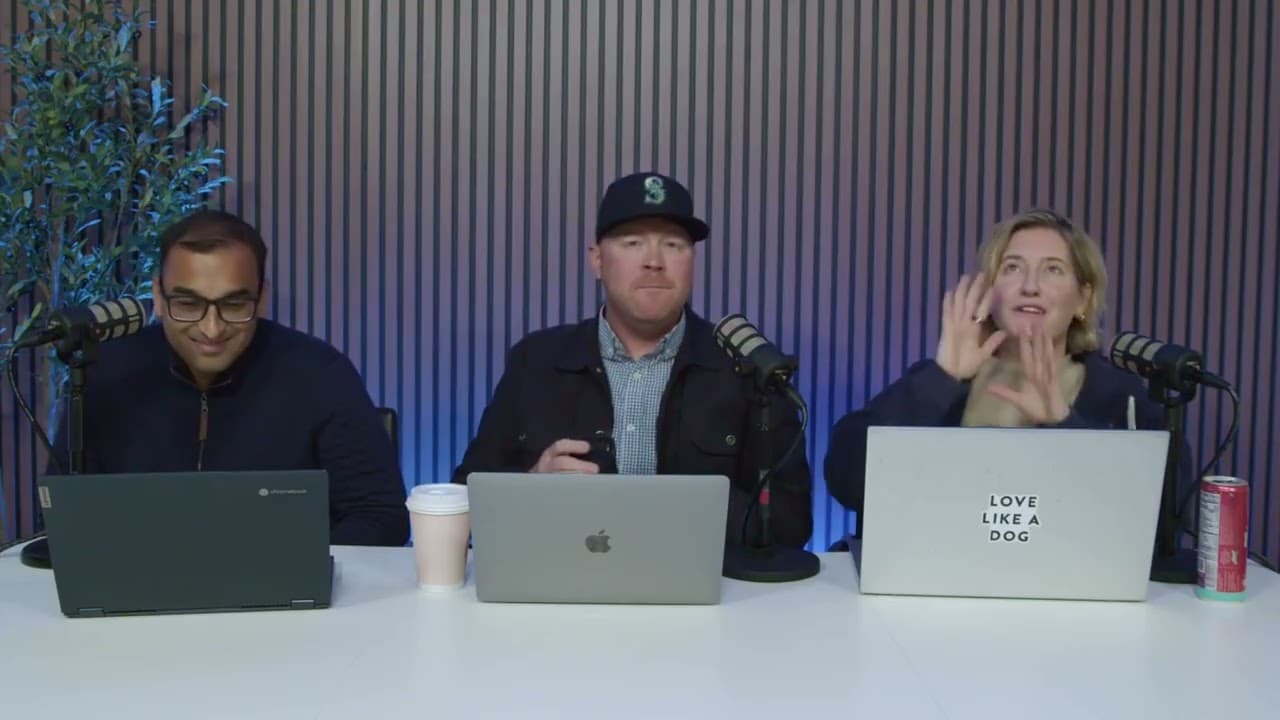
Its almost Halloween, which means we are going to talk about why buying a house feels SCARY! This week, join our hosts Christian Nossum, Joanna Beecher, and Melanie Ghadamy of the Awesome Nossum Group at Wilson Realty as explain what scares people when buying a house and what we do to help make the buying process not scary for them.
Read full transcript
Christian: [0:05] Welcome to another episode of the Awesome in Seattle podcast. This is your host, Christian Awesome, of the Awesome Nossum group And today We're talking about something Halloween themed. Now, it is almost Halloween, and we wanna do something based around that. And in the past, we've done a few episodes like, you know, the best haunted houses, the best place to trick-or-treat, best corn mazes. We even went over one of them about whether or not you need to disclose if someone has died in your house or if there's ghosts. Those can be found on episode 84 and 57. But today, we're gonna talk about something that can feel scary, and that's buying a house. Mm. We're kinda experts at this. Spooky. So, so, so spooky. Yeah. But not really if you're prepared. Ah, yeah. So we're gonna cover the common fears that clients have expressed to us that they are scared about when it comes to buying a house, and then we're gonna validate a lot of those because they are true. It is scary, but you can mitigate a lot of those fears by knowledge and education. So we're gonna recognize what specifically most people are worried about so that you can have those powerful tools on hand to support yourself during this process. So while buying a house is a large financial decision, it's also an emotional one, and I think a lot of agents and society in general kinda discounts the emotional side when it comes to buying a house. Now, we've helped people, over the last almost 20 years, thousands of people successfully purchase a house in the Seattle area, metro area, and so we have a really good idea on how to mitigate a lot of those fears and how to anticipate each step of the way how things work. So let's get into it. Joanna, I feel like the first thing I hear people say when they're nervous about buying is the price and that it's a lot of money.
Joanna: [1:50] Yes, we do hear that a lot. A lot. And it makes sense. I mean, it is- 'Cause it is a lot of money … a lot of money. So I think that people are really, what they're saying is that they're recognizing this is a big decision-
Christian: [2:02] Yep … Joanna: both in their daily life and financially, and they wanna make sure it's right, which makes sense. Sometimes this phrase also indicates just a recognition of the sticker price. Mm-hmm.
Joanna: [2:14] That might feel a bit overwhelming for a lot of people.
Christian: [2:17] Mm-hmm.
Joanna: [2:18] When clients are feeling this way, we often just bring it back to their goals. Remember why you're doing this. Remember how much you get to save on taxes by deducting the interest you pay in your mortgage. Mm-hmm. How much rent you're paying now, and, like, what else is this money doing for you?
Christian: [2:34] Yeah. Yeah, a lot of this is fear about the financial risk. It's a lot committing to buying a house and spending hundreds of thousands of dollars, maybe a million plus dollars, and that makes sense. So one way to combat all of this is to go through this process that we, as the Awesome Nossum group, have created that has worked really, really well over the years. We have an entire process that we kinda reimagined, and it, it definitely helps people. We talk about this at our home buyer class all the time. A lot of times when we give people keys at the end of the process, they're like, "Wait, that's it?" And they're waiting for that issue to pop up or that fear to be r- like realized that they have, 'cause they've heard horror stories from all their friends and coworkers. But by going through the process that we have set up, they don't really have those issues because they antici- we anticipate them and, and help them through it. So the first step of that is really talking to a lender, getting that figured out. The budgeting side upfront, figuring that out before you start looking at houses. That is a major, major hurdle that if you can overcome that upfront, it's gonna make looking at houses a lot easier. 'Cause you know for a fact that you can now afford what you want to afford, not what the bank says you can afford. And that's two different things. The bank might say that you're pre-approved for, you know, $1.2 million, but the monthly payment at that price point is way more than what you actually wanna pay every single month. So setting your budget upfront helps to really mitigate a lot of that financial stress and fears that people have, and so that's why we have people do that right away. And remember too, that when you are renting, you're not creating equity. You're not building wealth. You're not getting the appreciation, the benefits of appreciation, and paying down your mortgage every single month. I saw a stat the other day, I've seen this before, but it's just a good reminder, that the median net worth of a homeowner, someone that owns a home, is 40 times higher than a renter.
Joanna: [4:43] Wow. Wow.
Christian: [4:43] 40 times higher than a renter, and that's insane. But it's true, and it makes sense because they don't have that asset that's building wealth- Right all the time for them. So-
Melanie: [4:53] Mm-hmm … Speaker: to me, not buying is almost a bigger financial risk long-term. As a renter, you don't have fixed costs. You're not building wealth or appreciation, like I said. You can't borrow against that equity that you build over the years. You can't use that equity as well to buy that next house. 'Cause the first house you buy pretty much never is the forever house.
Joanna: [5:15] Right.
Christian: [5:16] It's always just a stepping stone to that next one. So-
Joanna: [5:19] I think that's an important point to bring up as well. Yes. People put a lot of pressure on themselves to find the perfect house as the first step right- Mm-hmm … you know, right out of the gate in their home-buying process, and it's just not possible, really, in this market- Mm to find that perfect house, in my opinion, for- Yeah … the average person's price point.
Christian: [5:40] Yes. Yeah. So. It's a good point. All right, so Melanie, what are you hearing from clients?
Melanie: [5:44] Yeah. So something that really scares people in the process is feeling like they aren't educated on how to buy a house and how it all works. This is one of the reasons we started the beer and home-buying class- Mm-hmm … to give people the education and knowledge. It really helps people to go through the entire process, and we teach them the key elements to feeling educated, and that way they can feel much more confident as they walk through the process.
Christian: [6:12] Yeah.
Melanie: [6:13] Another way to help calm fears is to have a good agent. You don't have to know everything, because you can lean on your agent for most of the questions that you have and their expertise. Yeah.
Joanna: [6:25] That makes sense. And a lot of clients, you know, express to me, going off of the being, not feeling they're educated enough, they express that they're scared of the unknowns.
Melanie: [6:35] Mm-hmm.
Joanna: [6:35] That's like, well, you… As Christian loves to say, you don't know what you don't know. It's true. Which is true. Yeah. The economy The market, something going wrong with the house, et cetera. Uh, the one thing I suggest my clients do to combat the house repair fear is to have some savings set aside for house emergencies. If something goes wrong with the house, you know you have this cushion to take care of that. Also, inspections are so helpful-
Melanie: [7:03] Mm-hmm.
Joanna: [7:03] Mm-hmm … to know what issues the house may have coming up. Mm-hmm. So if you have a house that you have an inspection on, you find out the roof is a bit older, but you know you have, you know, about X number of years before you have to repair it, you can start preparing your budget for that. And also, in certain markets like we're in right now, you can maybe get a credit from the seller that will help you take care of some of those issues with the house and just help support your repairs.
Christian: [7:31] Yeah. And what I'll say about the fears of the economy and the real estate market is that prices can and do go down and up, and you gotta remember that real estate is a long-term play. This is a long game that you gotta play. This is not a, "I'm gonna own a house for two years and somehow make $100,000." Now, that has happened, but that's not normal, and you can't assume that's gonna work that way.
Melanie: [7:58] Right.
Christian: [7:58] So we generally talk people out of buying a house if they're not looking to hold it for more than five years. It's just, a lot of times it doesn't make sense, unless they're gonna live in it for, you know, a few years, and then keep it as a rental after. That can totally change that money aspect of things.
Joanna: [8:16] Mm-hmm.
Christian: [8:16] Now, no one can play the market. No one can guess the market. I mean, well, we can all guess the market, but no one's gonna win by guessing the market, not even us, and we do this every day. Yeah.
Joanna: [8:26] Right.
Christian: [8:26] Like, we are not gonna be successful at trying to play the market and time it perfectly. So if you're comfortable with the payment, and again, you plan to keep it for about five or more years, then you're almost always gonna come out ahead. And if you even look at people that bought at the peak in 2008 before the housing market crashed, five years later, they were actually ahead nationwide on their pricing. So even in the worst market, as long as you hold it, you'll, in the long term, be better off.
Melanie: [8:54] During the touring process, a lot of clients are scared to make an offer because they think another, possibly better house might come on the market, and they might regret their decision.
Christian: [9:03] Mm-hmm.
Melanie: [9:04] Generally, this does not happen. With the limited inventory that we have in the market, if you find a house that fits your criteria, in the neighborhood you like, in your price range- You should make an offer. If you wait, the more likely scenario is you won't find anything as good as the house that you just passed up.
Christian: [9:23] Yeah.
Melanie: [9:23] So we like to give the advice that once you get your house under contract, you should just delete the searching apps. Nothing good comes from looking. You also might see something you like, and it's a good price range, and you might be mad that you didn't get that house instead. But what you're looking at on the apps isn't reality. It probably went for way more than the list price, and you wouldn't have been able to negotiate if it went, you know, a lot over your price range. And maybe the floor plan is actually awful, and you can't see that from just looking at the photos. So we truly believe people end up with the house they are supposed to have.
Christian: [9:58] Yeah, and I- I've seen this so many times in my almost 20 years doing this- Mm-hmm … where people see the, a new listing that comes on the market, you know, a few months after they close on their house and move in, and they're like, "Man, I wish I would've bought that one." And then they go to the open house, and they're like, "I am so glad I didn't, like, actually get that one- Yeah … because it smells like dog pee." "The floors are all wonky. The foundation's messed up."
Joanna: [10:22] Yeah.
Christian: [10:22] You know, "The bathroom has mold all over the ceiling." Like, there's all these- It's a lot more work … yeah, there's a lot more things that pop up that, online, maybe it looks great.
Joanna: [10:30] Grass is always greener.
Christian: [10:31] Grass is always greener, exactly. Yeah. And so I can say, in all truthfulness, that every house that someone gets is truly the one that they were meant to get. And I know for personal example, for myself and also for my clients, if they made an offer on something, and they didn't actually get their offer accepted, and then they end up with a different house down the road-
Joanna: [10:52] Mm-hmm
Christian: [10:53] the one that they ended up with always is the best one for them. I think it's true. And they always look back- Yeah … and they're like, "Man, I'm so glad I didn't get that other house."
Joanna: [11:00] Every time. Mm-hmm.
Christian: [11:01] Every single time. Mm-hmm. And it's weird how that works, but it does.
Joanna: [11:04] Mm-hmm,
Christian: [11:04] yeah. And that's just the truth.
Joanna: [11:06] Yeah.
Christian: [11:06] Another thing that a lot of people are afraid of is commitment, and whether that's to the house, to the city, to the partner that they're with, or maybe even their job. That's understandable. Mm-hmm. But people seem to equate buying a house with the idea that they can never change their life again forever. And that's just not true. Like, obviously- Mm-hmm … it's just a house. That doesn't mean you have to live in the city forever. Doesn't mean you have to live in that house forever. Remember, the majority of people own a house for between five and seven years. That's it. And then they move on to the next one. So this is not a forever choice. This is a for a timeframe choice that you get to determine.
Joanna: [11:46] You can sell it.
Christian: [11:47] You can sell it, yeah. You can always just rent it out too. Also, that's, yeah- If your circumstances change, if you end up getting a job transfer and you move to, say, I don't know, whatever city you move to, and if it hasn't been, you know, five years and your house hasn't appreciated enough for you to sell it, you can always rent it.
Melanie: [12:05] Mm-hmm.
Christian: [12:05] That is a fantastic choice, and that, I've seen people where they became accidental landlords, which is what that's kinda called, when they didn't mean to purchase it as a rental upfront, but it's worked out great for them long-term. I've personally done this myself too, where, you know, you buy a house with owner-occupied financing, meaning you get to put that low down payment, you get the best interest rate because you're living in it, and then you get to keep all that financing in place when you move out You don't have to refinance into a landlord loan or a non-owner occupied loan. You get to keep that low down payment and that awesome interest rate that you got when you bought. So keep that in mind as well. A lot of people don't realize that when they become landlords. Additionally, if you purchase with a partner and you are unmarried, we have some great attorneys that we can refer to you to write up agreements to protect each of you in the case that you do end up breaking up, and that is the reality, that sometimes that does happen. So if that's a fear that you have, we have helped lots of clients write up a very inexpensive agreement that stipulates how, if you do break up, how you're gonna separate the house. So the other thing, too, is if your job changes, owning a home and using house hacking can actually help create some financial security for you by getting a home equity line of credit and living off of that. So that just means, like, if you've built up some equity, you can get a home equity line of credit and utilize that money that you have, the big chunk of funds that you have, to live off of for a while if you don't have income coming in. Worst case, you just end up selling. It's not that bad either. You can live off that equity and then rent for a while if you don't have a place to live. I see real estate as something that can give you more options to survive and not less. And another option is house hacking. So that's when you buy a place, and, you know, you could always get a roommate and kind of, again, worst-case scenario, if you needed to pay that mortgage and you lost your job, you can get a roommate, or if you had another unit attached to your home or detached from your home on the lot, you rent those out and use that income to help offset the mortgage payment. So there's a lot of different ways that you can utilize real estate to help you survive these kind of big, catastrophic life changes that do, do happen sometimes. It's not actually a bad thing. It can actually be a helpful thing to have a piece of property. All right, so we hope that this episode has helped kinda educate you on some of the common worries that buyers have during this home-buying process and what they fear before they go into the home-buying process. There's a lot of ways that you can help yourself feel more confident and educated. Again, our process that we teach at our free Beers and Home Buying classes, and then after you leave the class, the steps that we put you through to make sure that you're comfortable and understanding what's gonna happen, that is how you're going to really ease a lot of those concerns. Everything that we do for you up front is free. The class is free. The strategy sessions we do with you are free. The sold search that we create for you are free. All these things are free. The only time we ever make money is at the end of the day when and if you ever buy a house. So we're never gonna pressure you or anything like that. Everything is here to educate. If you are interested in attending one of our classes, we do them every single month, other than December, throughout the entire Seattle metro area. You can go to beersandhomebuying.com (opens in a new tab) to sign up. Again, they're totally free. They're only an hour long. There's always free beer, sometimes food, depending on the venue. And again, it's only an hour of your time, so you might as well educate yourself. If you do wanna chat with us, if you've already come to one of our classes and you're like, "Yep, okay, it's time for me now to start the process," you can always reach out to us and schedule a time to chat right on our website, AwesomeNossumGroup.com/schedule. Thank you for listening. We hope that we relieved a lot of your fears. The home-buying process, while it can be scary, doesn't have to be scary, and we hope that this episode helped you. That's it for this episode of the Awesome in Seattle podcast. We'll see you next time.
Melanie: [16:07] Bye.
Christian: [16:07] Bye. Bye.
Related episodes

market updates · Ep. 168
168: Form 17 Explained: Washington’s Seller Disclosure for Buyers and Sellers
Every residential real estate transaction in Washington State runs through one document: the Form 17 Seller Disclosure Statement. But most buyers and sellers only see it in passing — and end up either over-disclosing, under-disclosing, or waiving rights they didn’t understand they had. In this episode, Christian Nossum and Joanna Beecher of the Awesome Nossum Group break down the Form 17 from…
· 31 min
market updates · Ep. 167
167: Start Here: Podcast Playlists for Buyers & Investors
Not sure where to start with Seattle real estate? In this episode of Awesome in Seattle, Christian Nossum, Joanna Beecher, and Varun Jain explain the education-first approach behind Awesome Nossum Group and share the official starter playlists we recommend for buyers and investors. We talk about why education comes before showings, offers, or strategy, how resources like Beers and Home Buying,…
· 20 min

market updates · Ep. 166
166: You Closed on Your House. Now What? A New Homeowner Checklist
You got the keys. Now what? In this episode of Awesome in Seattle, Christian Nossum and Joanna Beecher walk through the first things new homeowners should do after closing on a house. Buying a home is a huge milestone, but once the signing is done and the keys are in your hand, there are still important steps to take. We cover the practical post-closing checklist every buyer should know,…
· 14 min